






Message Magazine is trying out a new size and we’re eager to hear your thoughts.

We say it is a moving line between the past and the future; yet as soon as you try to put your finger on the line, in that very act the present has already become past. Perhaps, then, the best we can say it is that now is living between the times.
That is where the Bicentennial celebration finds your country, you as Black Americans, and your church — between the times.
Stand between the times
Face-to-face with challenges frightening in their complexity.
But the problems are pregnant with possibilities
When we depend on a transcendent resource.
Let us go forth, not in our ignorance,
but in His wisdom.
Let us go forth, not in our weakness,
but in His strength.
Let us, with the articulate witness of
the Word
and the meaningful witness of our work,
seize this irrevocable moment of destiny.
Between the times.
by Benjamin F. Reaves,
The Message Magazine, September 1976


relationship
readineSS
Call 1-800-456-3991 Monday through Thursday 8:00 a.m. to 5:00 p.m. Mountain Time for subscription information or address changes. MESSAGE (ISSN 0026-0231) is published bimonthly Jan/Feb, Mar/Apr, May/June, July/Aug, Sept/Oct, Nov/Dec.
© 2026 by the North American Division of Seventh-day Adventists, 9705 Patuxent Woods Drive, Columbia, Maryland, 21046, U.S.A. Address editorial correspondence to MESSAGE MAGAZINE, 9705 Patuxent Woods Drive, Columbia, MD 21046-1565 U.S.A. All subscriptions are prepaid. If you did not order MESSAGE, it is being sent as a gift from a friend. You will not be billed. To subscribe, mail payment to MESSAGE, 1350 North Kings Road Nampa, ID 83687, U.S.A. or call 1-800-456-3991. Subscription price: one year, $19.95 U.S. currency; single copy, $4.00; overseas, add $10.00 per year for postage. Prices subject to change without notice. Periodicals Postage paid at Nampa, Idaho and additional offices. Vol. 92 No. 3 MAY/JUNE POSTMASTER: Send address changes to MESSAGE, 1350 North Kings Road Nampa, ID 83687, U.S.A. Printed in the U.S.A.
Unless otherwise noted, Bible texts in this issue are from the New King James Version. Copyright © 1979, 1980, 1982 by Thomas Nelson, Inc. Used by permission. All rights reserved. Statements in this issue attributed by an author to other speakers/writers are included for the value of the individual statements only. No endorsement of those speakers’/writers’ other works or statements is intended or implied.



Media That Takes You Higher

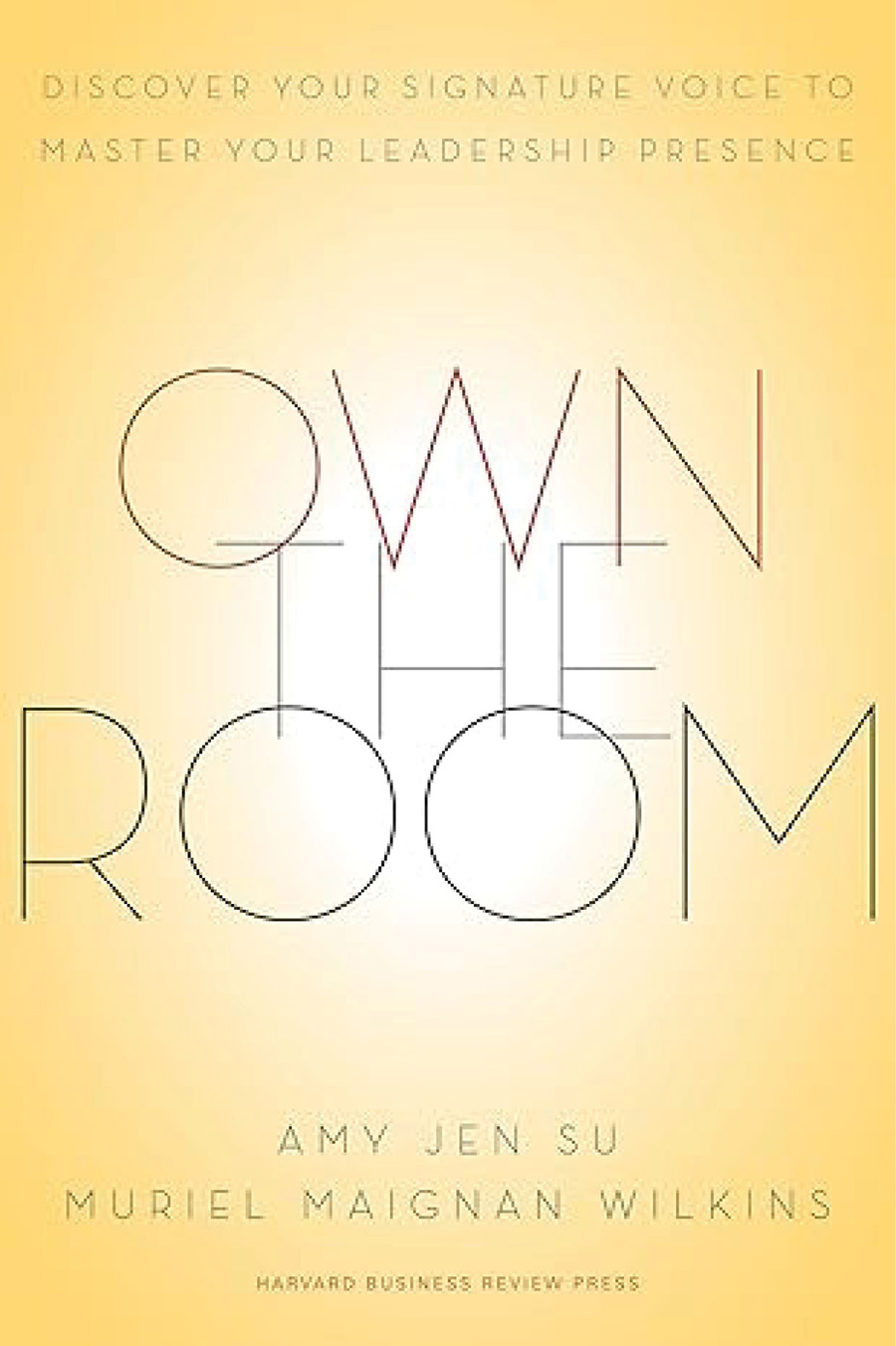
If you are a speaker looking to enhance your skillset, this book maybe for you! Own the Room captured my interest as an orator because of its practical approach to developing leadership presence. The authors provide clear toolkits and actionable strategies that make the concepts accessible and immediately useful. This book challenges leaders to discover their authentic voice and communicate with confidence and purpose. The book makes it clear that true leadership presence grows from clarity, connection, and conviction, the essential qualities that empower individuals to step forward and truly own the room. Own the Room is available on Amazon or Barnes & Noble.

I met the artist Auraè, and her demeanor was humble and gracious. That same spirit carries into her music. Listening to her catalog gave me the vibe I look for in smooth R&B gospel style music. Auraè brings a refreshing blend of soulful sound and faith centered storytelling that feels both calming and authentic. Her mellow vocals and smooth production create an atmosphere that allows you to pause, reflect, and connect spiritually. If you enjoy smooth R&B inspired gospel with a soulful feel, I highly recommend checking out Auraè’s catalog of music today.


Notion is an all-in-one workspace where you can manage notes, goals, tasks, and projects in one place. Many people build a “life dashboard” to track personal development, writing ideas, speaking engagements, and daily priorities. Some useful features include tracking goals and habits, organizing ideas and projects, planning schedules and daily tasks, building a personal growth system, as so much more. This app helps people move from chaos to clarity by putting their goals, ideas, and responsibilities in one place. It is available on most major digital platforms.


Not a bump in the night. Not a burning smell. Not a bright light. But deep inside, I felt my heart turn a flip. It squeezed. It shifted. It jolted. It raced.
In the darkness of my hotel room, I remembered I was away from home, my husband, my family. Fear turbo-charged the beating in my chest.
Against everything we’ve ever learned about emergencies, I stood up and debated my options: A. I could call 911 and have paramedics monitor me while transporting me to the hospital*; or B. I could pull on clothes, grab my suitcase, Google the directions and get myself to the Emergency Room, or C. I could wait until I passed out and housekeeping could discover me in the morning.
What is this?
That’s the question for the times that arrests our hearts.
As we speak, organizers trumpet the 250th Anniversary of the United States of America. Our nation’s leaders appeal to the masses for a religious revival, while a record nightly average of 60,000 people, apprehended sometimes for nothing more than looking or sounding undocumented, are languishing in very profitable, detention centers, human warehouses. The highest court of the land determined that race can’t be use to analyze the effects of racial gerrymandering and voter suppression, when it eviscerated the 1965 Voting Rights Act in April. Promptly thereafter, Tennessee, and Alabama initiated changes that could affect the collective votes of black voters for generations. The United States Department of Justice (DOJ) has indicted the Southern Poverty Law Center (SPLC) claiming its payments to undercover operatives in the Klan constitute a fraudulent use of donor funds. And a court found that grants cut by the Department of Government Efficiency (DOGE) were illegally based on protected characteristics such and as race and gender. Supporters of our President presented him with a statue overlaid with gold, sparking social media posts on everything from the Golden Calf to Nebuchadnezzar’s statue, but really prompting more questions as to corruption and access. And, while overlooking potential corruption, other supporters are seeking to impose a National Day of Rest, a Sabbath.
Absolutely no irony detected here. For America’s 250th birthday, it has renewed its commitment to contradiction. The very core of American incongruity has risen to the occasion, consistent with its history, but not its creed. And while some pray on the National Mall, our hearts are racing and many of us are standing in the middle of the living room, immobilized. What is this?
The morning after my scare, I thanked God for my life. I could have left this world in a quiet heap behind the steering wheel (I chose option B), but God saw fit to give me more time. I then remembered that the day before, a male colleague had threatened my bona fides. When I disagreed with his aggressive and competitive ideas against another woman, my system flooded with adrenaline. As a black woman director I wanted to neutralize this guy. I wished for allies whose organizational savvy could help me execute like a cold boss. With those designs on my mind, I fell asleep, until my heart skipped a beat at 1 A.M..
I like the Amplified Bible translation for this passage because it highlights the idea that our choices implicate our lives now and for eternity. The passage saturated my mind, and I took this as responsive and instructive to my heart scare, and I committed to the Lord’s methods and timing thereafter.
This means that as a Christ follower, I accept that two things are operational in my experience: recognition that there is a spiritual dimension to our existence, and my choice to live in the Divine reality. Moreover, I recommend this rubric as you see the headlines, as you plan your next moves, as you live your life in these perilous times: there is more to this than what meets the eye. Do not meet whatever it is with your bare hands, but with the “sword of the Spirit, which is the Word of God” (Ephesians 6:17b) We must unlock our personal complacency, and even community paralysis using the approach given by Jesus Himself (Revelations 3:18)—stock up on His gold, which has nothing to do with money, rather, it is knowing we can bank on His faithfulness, His love, and His peace. Proceed with confidence under His robe of salvation, and model of right-doing, and then, do right things, especially for others. Finally, perceive these times through fresh, perceptive, discernment.
*A. is the correct option, SMH.
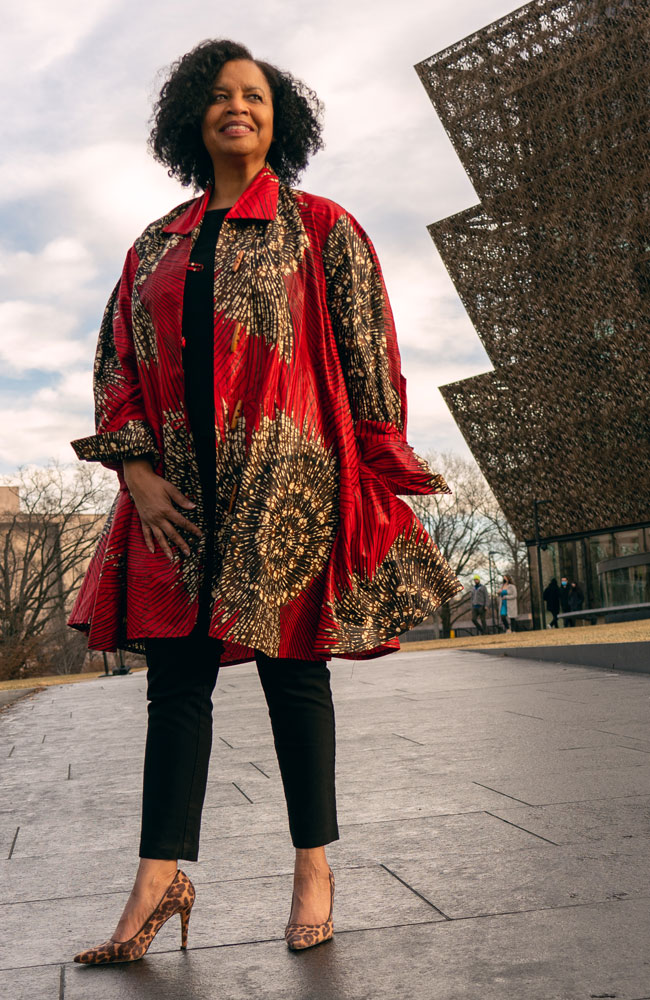
CARMELA MONK CRAWFORD, Esq., is Editor of Message Magazine



As a founding document of America, the Declaration of Independence identifies the equality of men and the right to “life, liberty, and pursuit of happiness” as obvious truths that need no explanation. After 250 years, however, with both our historical shared beliefs and future ideals in question, there are no “obvious truths.” According to American History Central and the National Archives, the Second Continental Congress created the Committee of Five to state the reasons for independence. The committee consisted of Thomas Jefferson (deist, lawyer, scientist, and plantation owner from Virginia), John Adams (unitarian and lawyer from Massachusetts), Benjamin Franklin (deist, scientist, and printer from Pennsylvania), Robert R. Livingston (Presbyterian and merchant from New York), and Roger Sherman (congregationalist and lawyer from Connecticut). The committee designated Jefferson to write the initial draft.
“Thomas Jefferson was a deist,” said Vanessa Williamson, Senior fellow, Governance Studies at The Brookings Institution. “He was not a sort of an active Christian, and many of the founders doubted, largely in their private letters, but in writing, that God was an active presence in the day-to-day lives of man.”

“And it is worth pointing out that as much as we talk today about the beautiful phrase about things like ‘all men being created equal,’ at the time of the Revolution, most black men fought on the side of Britain,” said Williamson.
“Because it was Britain that they thought, and at the time quite correctly, was more likely to live up to the goals of emancipation no matter what our founding documents had said.”
Despite the inspiration and rallying cry of the Declaration of Independence, it failed to attract most black men. For black men, slavery represented their reality, but for plantation owners who signed the Declaration of Independence it represented their economic reality.
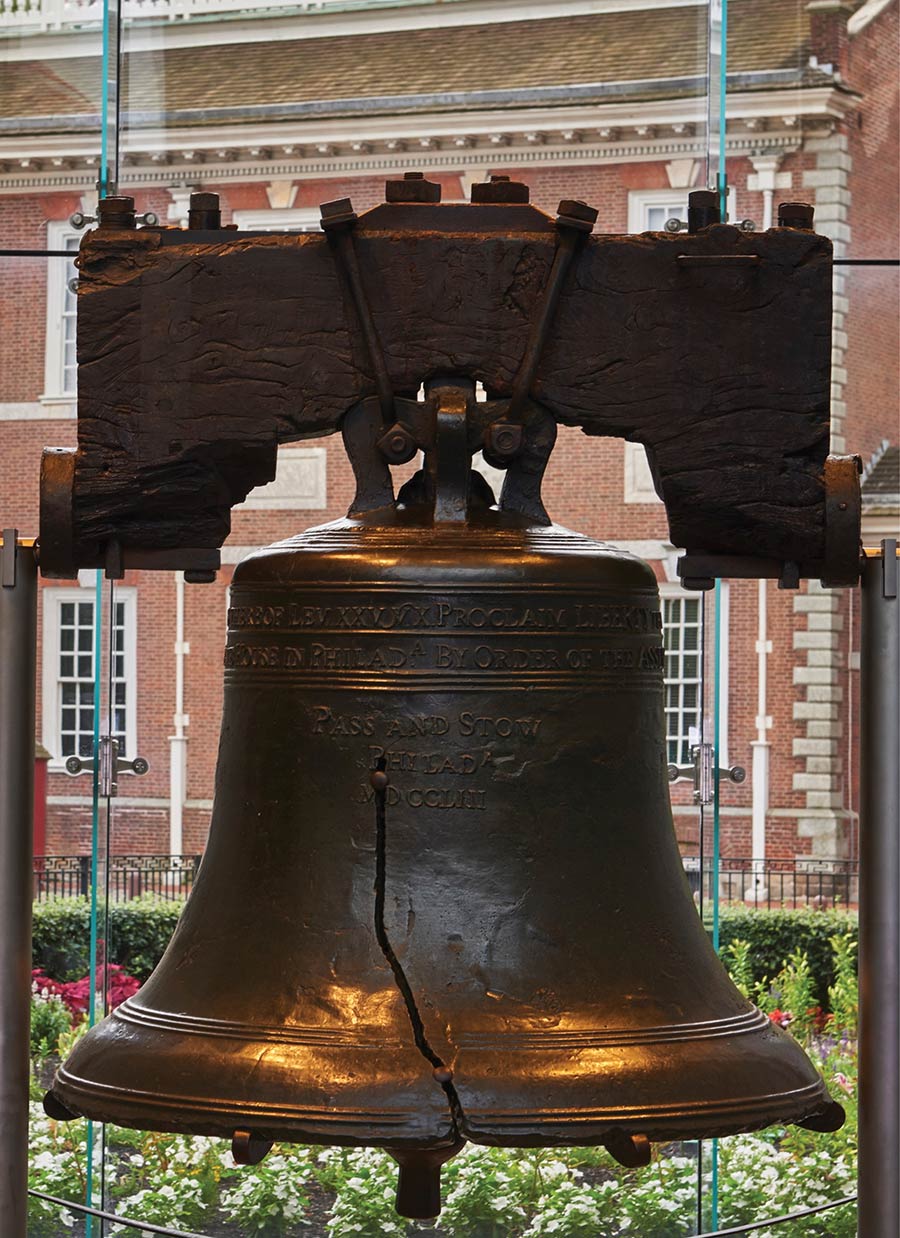
In celebrating the 250th Anniversary of The Declaration of Independence, we need to contemplate the dog whistles of Make America Great Again, the ideology behind Christian Nationalism, the authoritarian and intimidating attacks on democracy and civil liberties, the changing narrative on religious liberty, the whitewashing of history, and the elimination of diversity, equity, and inclusion programs. Does the preamble of this founding document reflect the best interest for white educated males with means in America, or Americans as a whole today?

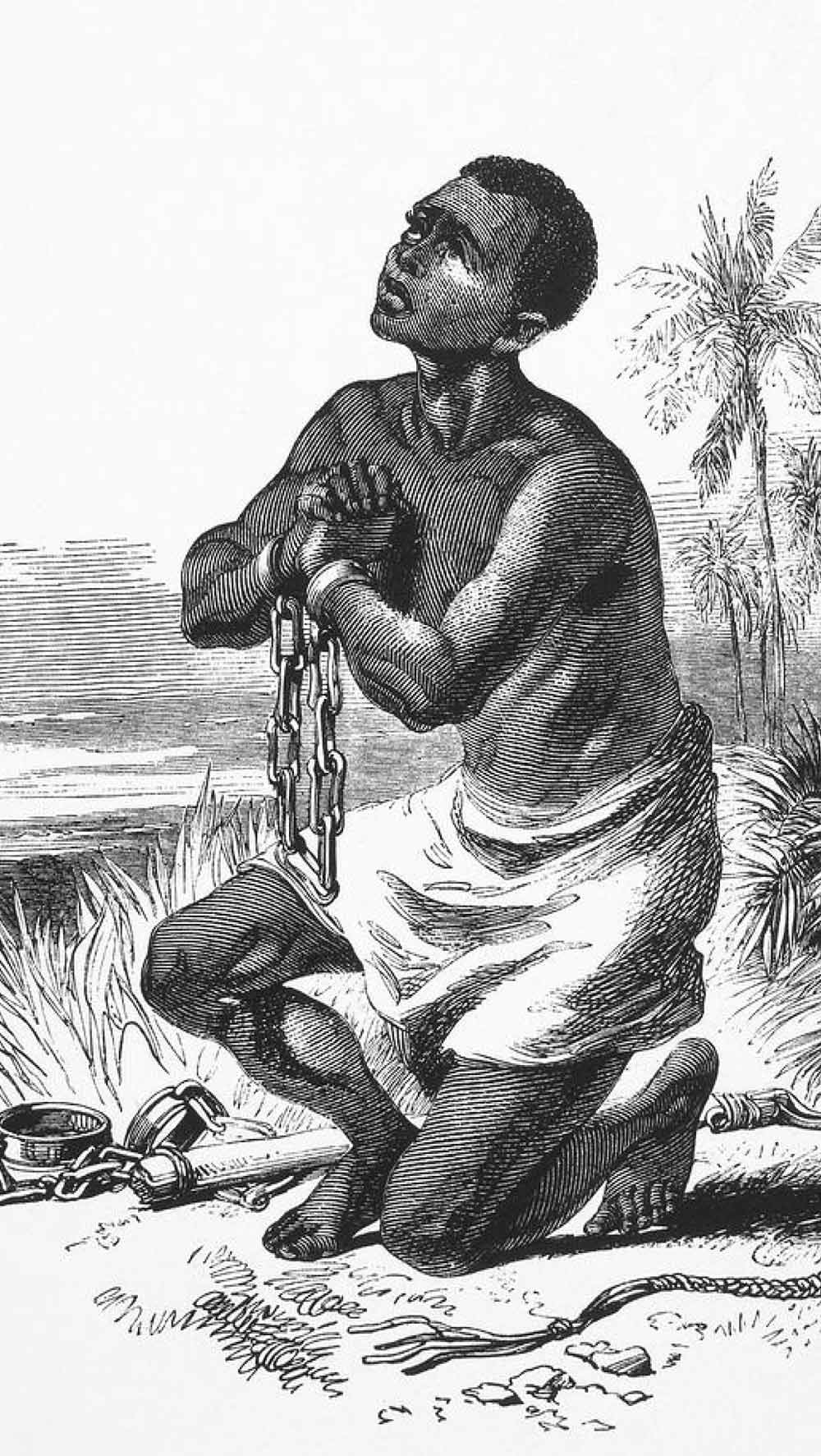

“The real names of our people were destroyed during slavery.”
– Malcolm X
James Somerset: Of course, that wasn’t his real name. He was born around 1741 in West Africa, and that was his home until 1749. That’s when, in the words of Bob Marley: He was stolen from Africa/Brought to America/Fighting on arrival/Fighting for survival.
His West African name was whited out when someone, perhaps a slavetrader who transported him across the Atlantic, decided to call him Somerset. For the next 20 years Somerset was enslaved to Charles Stewart as his personal assistant in colonial America. Most of that time was in Norfolk County, Virginia, until Stewart became a customs officer responsible for enforcing the Stamp Act in port cities like Philadelphia, New York, and Boston.
“Whom the Son sets free is free indeed.” – Jesus
In 1769, Stewart took Somerset to England. Somerset was baptized two years later and that’s when he chose the name James. Baptism endowed you with new family members, called godparents, back in those days. James’ godparents were John Marlow, Thomas Walkin, and Elizabeth Cade – and all were abolitionists.
When James declared his independence later in 1771, Stewart ordered slavecatchers to sell and ship him to Jamaica. Selling disobedient slaves to Caribbean plantations was a common punishment during colonial America. After the United States gained independence, the same principle played out. To be “sold down the river” meant being sent from a Northern or middle state and disappeared into the deep South.
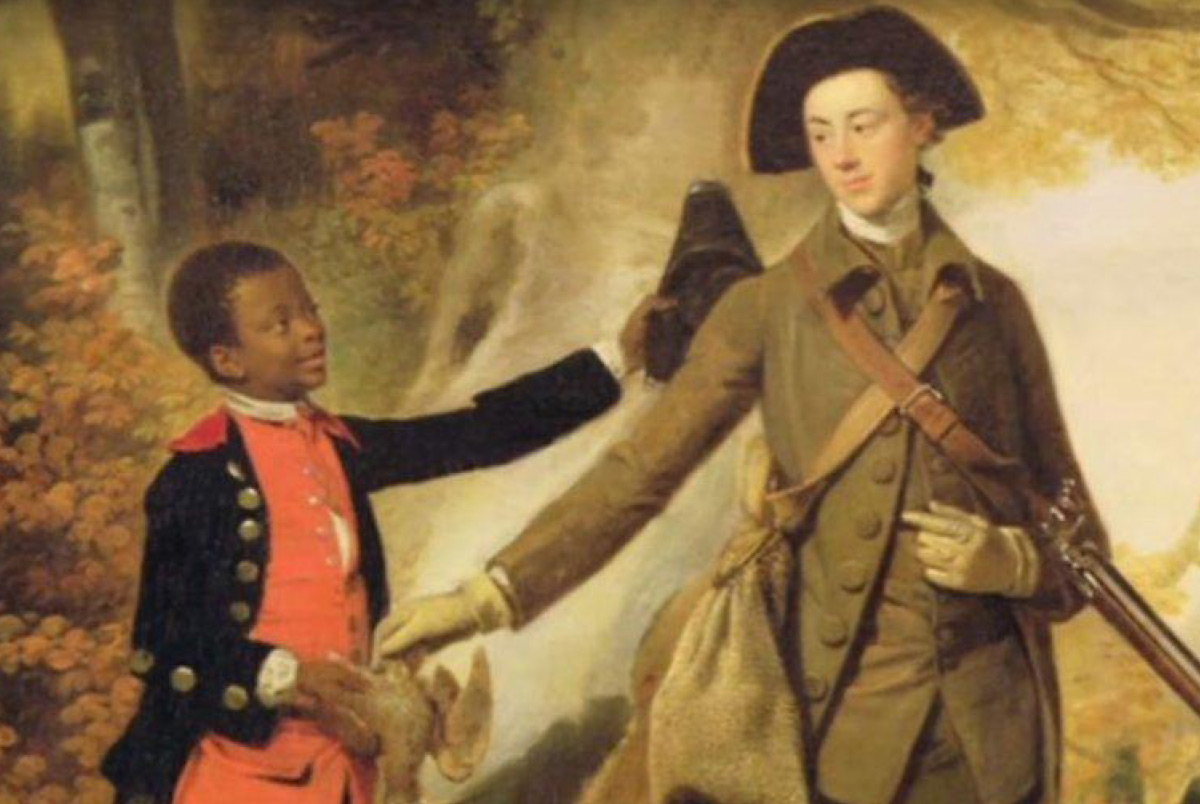
However, James’ godparents enlisted the help of abolitionist lawyer, Granville Sharpe. Habeas corpus is a legal order dating back to the Magna Carta in 1215 and Sharpe used it to ensure James had his day in court – and then some. Somerset v. Stewart became a series of hearings from January to June 1772. Finally Judge William Murray, aka Lord Mansfield, ruled that “the black must be discharged.”
Newspapers in eight out of 13 colonies spilled a lot of ink covering the monumental case with nearly 60 separate reports and over 20,000 words. Why? All 13 colonies had legalized slavery when they penned the Declaration of Independence in 1776. The liberation of a black man by England’s high court angered American enslavers as much as the Stamp Act. Emancipation was too revolutionary for the founding fathers. Their philosophy was “freedom for me but not for thee.”


As one Jamaican commentator noted, “The refusal is not about history — it is about fear of accountability.”
The resolution is sweeping in tone, and deliberately broad. By contrast the Caribbean Community’s CARICOM’s 10-Point Plan for Reparations, drafted in 2013, is far more specific.
CARICOM demands formal apologies from European governments, repatriation programs for those who wish to reconnect with Africa, and targeted initiatives in health, education, and debt relief. It insists on psychological rehabilitation for descendants of enslaved peoples and on technology transfer to bridge the development gap. In short, CARICOM offers a roadmap for repair, while the UN resolution provides the moral declaration.
The difference matters. Recognition without repair risks becoming another empty promise. For Jamaicans, the CARICOM plan’s emphasis on health and diet is especially urgent. The plantation system left us with salt heavy, starch-heavy foods that still dominate our tables. Hypertension, diabetes, and other chronic illnesses are not simply lifestyle choices, they are the bitter inheritance of slavery. Reparations must therefore mean more than money; they must mean healing of body and spirit.
Jesus himself taught, “You shall know the truth, and the truth shall set you free.” Naming slavery as humanity’s gravest crime is part of that truth-telling. It liberates descendants from silence and denial.
And in Joel 2:25, God promises to “restore the years the locust has eaten.” Reparations are a human attempt to restore what centuries of exploitation consumed — land, health, dignity, and opportunity.
Even the question of diet finds resonance in Scripture. Paul reminds us in 1 Corinthians that our bodies are temples of the Holy Spirit. A reparatory agenda must therefore include health justice: access to nourishing food, wellness education, and the dismantling of systems that profit from sickness.
Descendants of enslaved Africans continue to live with the scars of history — poverty, cultural disorientation, and systemic inequities.
Reparations, then, are not abstract. They are about dignity, health, education, and truth. They are about clinics in our communities, schools that teach African history, programs that restore cultural pride, and economic initiatives that free us from debt.
The UN resolution is a welcome step, but Jamaica must press forward with CARICOM’s plan. We cannot afford to let this moment pass without insisting on tangible repair.
Top 5 Subversive Tracks · Side A
Liner Notes — the Founders’ Greatest Hits
ive Me Liberty or Give Me Death” by Patrick Henry has been among the top 10 subversive tracks of the American Revolution for the last 250 years — trading the #1 slot with other bangers like “No Taxation Without Representation,” “Hang Together, Or Hang Separately,” and “These Are the Times That Try Men’s Souls.”
That crew produced lots of liberative lyrics for the percussive soundtrack laid down by the drummers and fifer portrayed in the “Spirit of ’76.” For instance, check out these lines from Patrick Henry’s letter to John Alsop on January 13, 1773:
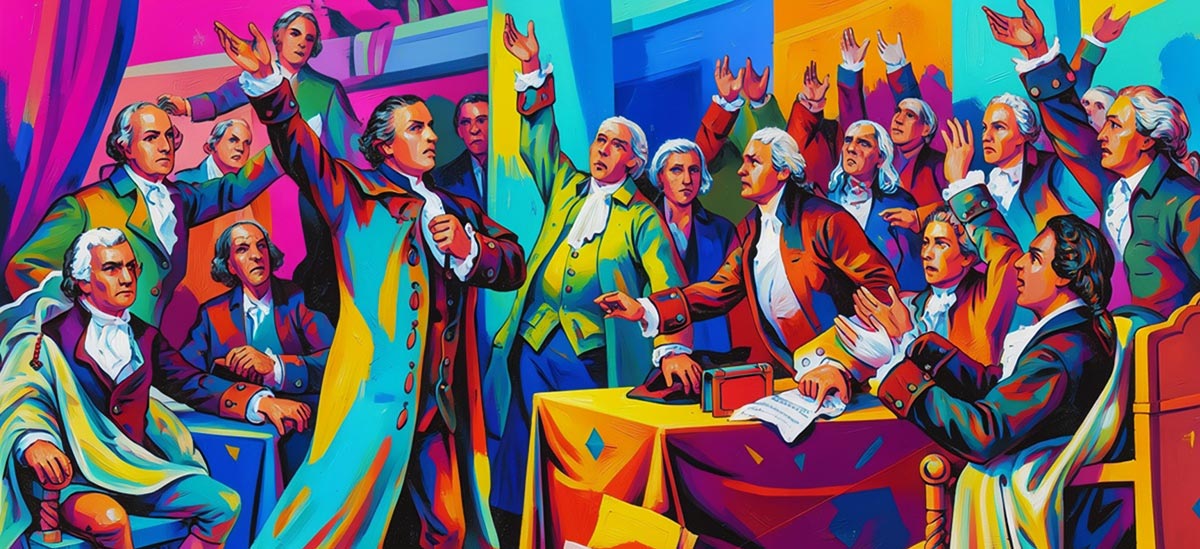
nfortunately, Patrick confessed in the same letter that convenience overruled his Christian conscience. Mr. Henry still kept 98 humans in bondage on his three slave-labor camps, otherwise known as plantations, when he died in 1799. His wife and children divvied up their inheritance, further traumatizing the enslaved by separating their families.
Many of the Founders wanted to keep themselves from slavery, yet wanted to keep slavery for themselves. It’s hard to tell if they sought to embody irony or murder it. Consider George Washington’s Letter to Bryan Fairfax, August 24, 1774:
“[W]e must assert our rights, or submit to every imposition that can be heaped upon us… and… will make us as tame, and abject slaves, as the blacks we rule over with such arbitrary sway.”

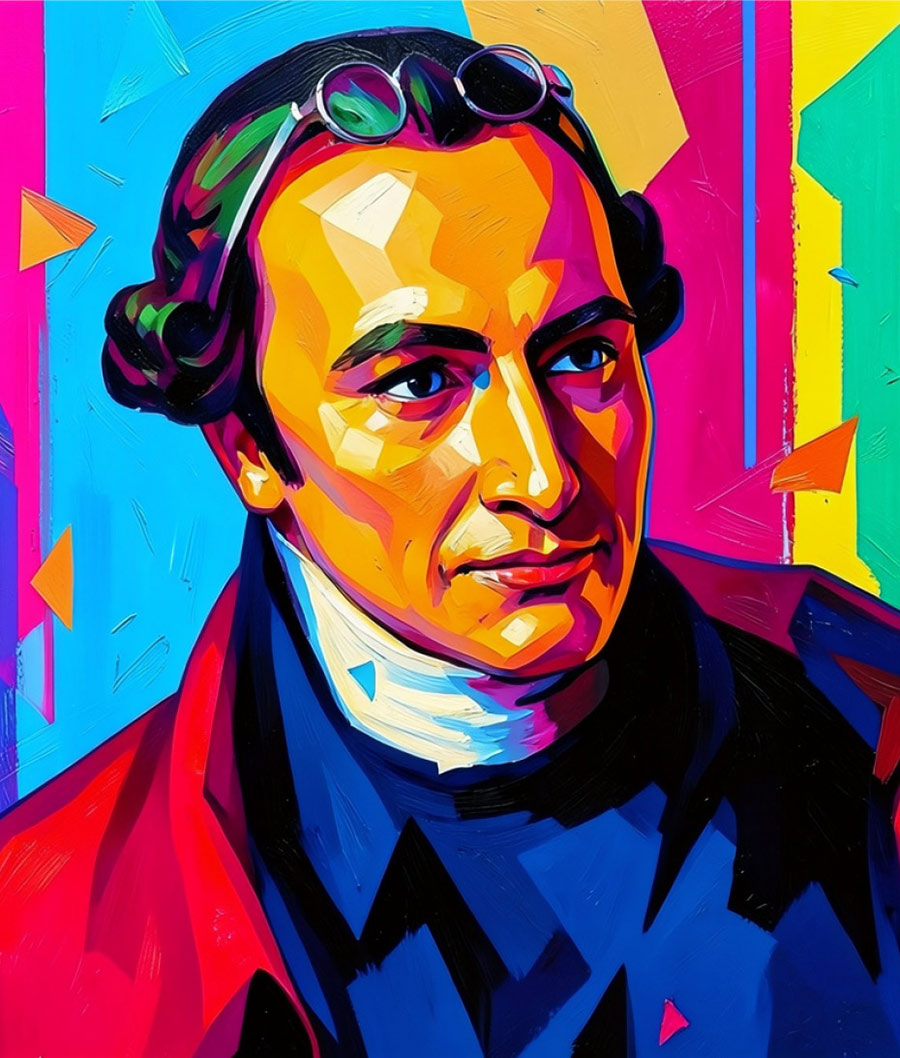
Patrick Henry
98 enslaved at death · 1799
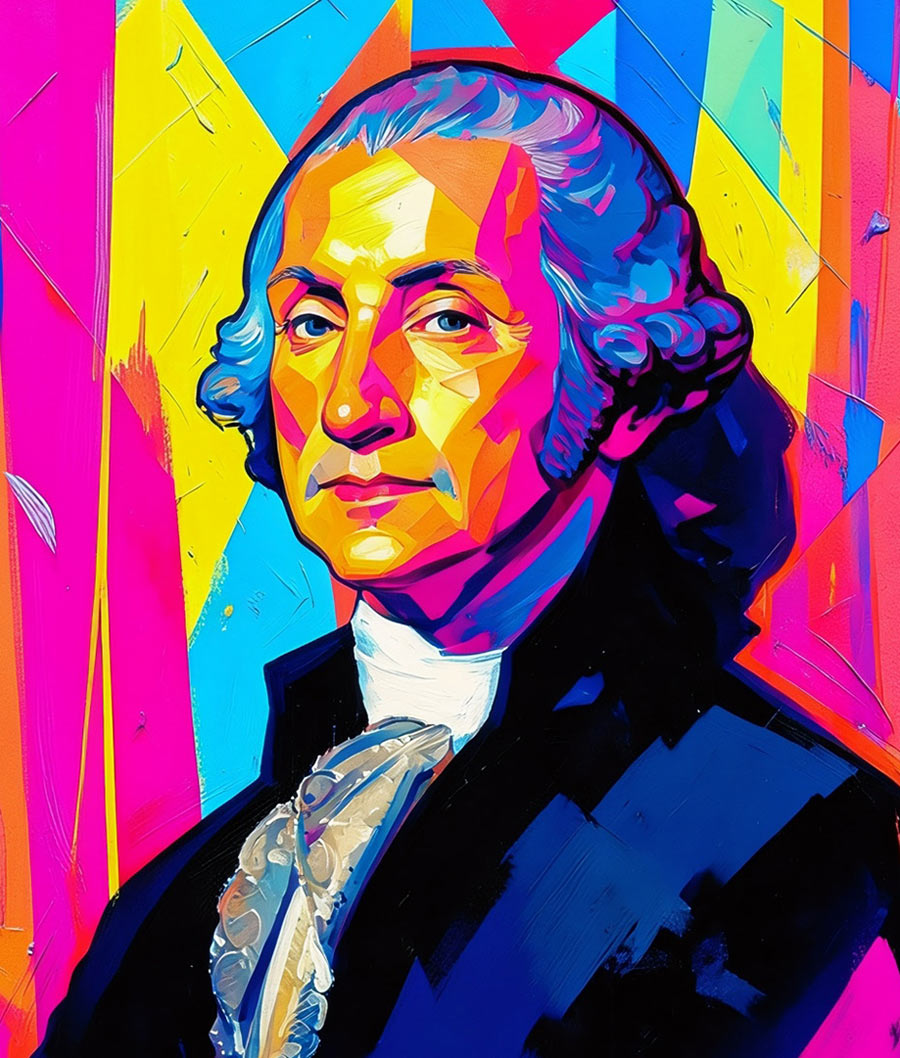
George Washington
123 enslaved at death · 1799
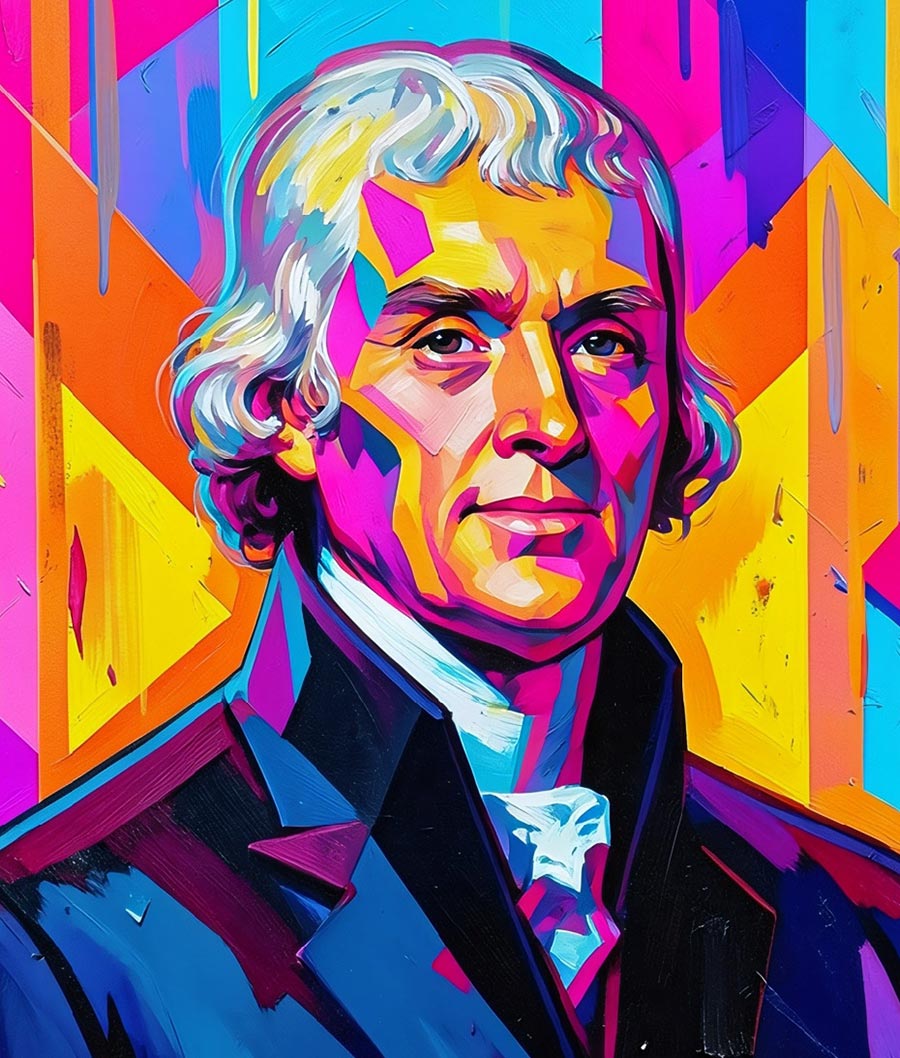
600+ enslaved across his life
he real revolution of the Revolutionary War was black freedom. Attempting to quell the undercurrent of black liberation was part of the reason the “Patriots” were fighting against their government.
Slaveholding Founders’ real dilemma wasn’t over the morality of slavery, but the preservation of it. First, they were nervous that the British legal system might be leaning toward abolition. They were also alarmed that white British colonizers were promising freedom to black slaves if they revolted against white American colonizers who were revolting against the British.
Somerset v. Stewart became the trial of that era on both sides of the Atlantic. “The black must be discharged,” ruled Judge William Murray (aka Lord Mansfield).
Enslavers filled colonial newspapers with complaints that their slaves were running away to England for freedom. Some were as outraged by this court decision as they were about the Stamp Act.
Lord Dunmore (or John Murray as his mama called him) issued a Proclamation in 1775 to offer freedom to blacks if they would join the British military to fight their former masters.
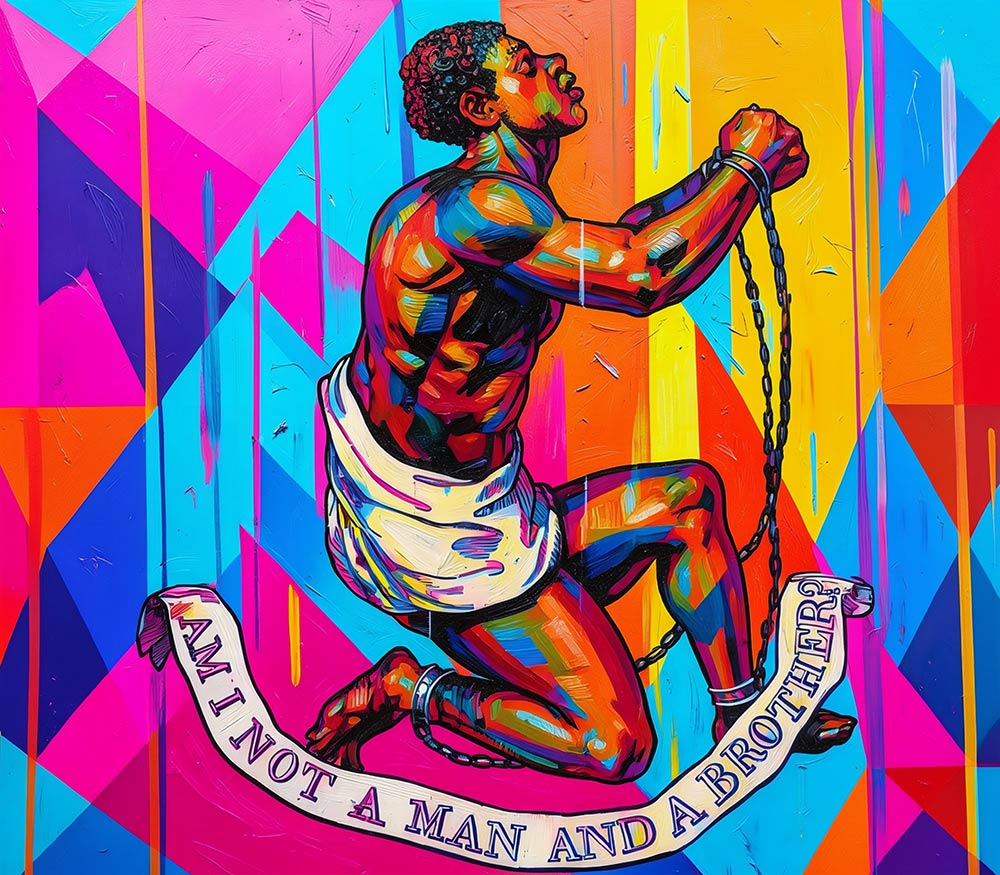
Patrick Henry’s slave. Joined the Ethiopian Regiment, married a fugitive from Philadelphia, named Miney, evacuated to Nova Scotia, then Sierra Leone in 1792 — putting the entire Atlantic between himself and the “land of the free.”
Self-emancipated from George Washington on July 24, 1776. Served as a corporal in the British Black Pioneers. Evacuated to Nova Scotia (1783), then Sierra Leone (1791). Exiled in 1800 — and elected leader by the exile community.
t has been estimated that 20,000 self-emancipated black men served the British military during the Revolutionary War. Additionally, up to 80,000 black men, women, and children fled for their freedom when British forces occupied places like Charleston, Norfolk, and New York City. The Continental Army eventually enlisted about 6,000 blacks after General Washington’s initial resistance to the idea.
The delusion of white supremacy kept Americans from uniting all their inhabitants by giving everyone something worth fighting for.
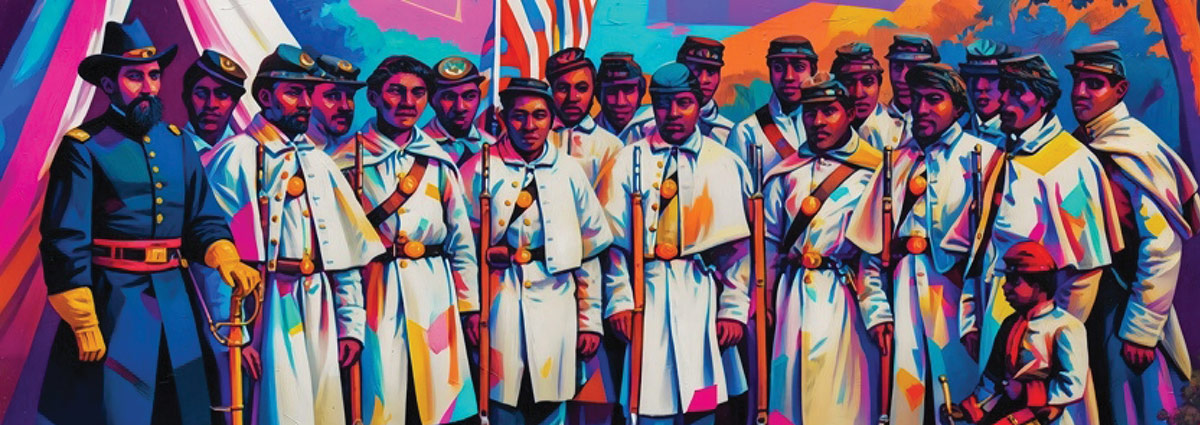
The Counterfactuals
What if those 100,000 people would have stayed because “All Men Are Created Equal” really meant All?
What if America had abolished slavery in 1776 instead of half the country fighting to keep it in the 1800s?
What if a nation that lights up the sky to celebrate their violent overthrow of the British didn’t insist on peaceful gradualism for minority rights?
What if America had abolished slavery before Britain, France, Mexico, and Haiti in the West?
How much greater would America be if it weren’t still devouring itself with the cancer of white supremacy that caused the Civil War — and still hasn’t been cured by all the bloodletting since?
small group of abolitionists pondered questions like these as they formed the Seventh-day Adventist Church. For them, this wasn’t political — it was prophetic. They believed that Jesus was coming soon and were announcing the judgment hour so that all people can be prepared (Revelation 14:6–7). One of the things that troubled them the most was professed Christians maintaining unjust structures and trafficking in slaves as described in Revelation 18:13.

Masterclass

Five Technology Tools Every Believer Should Know
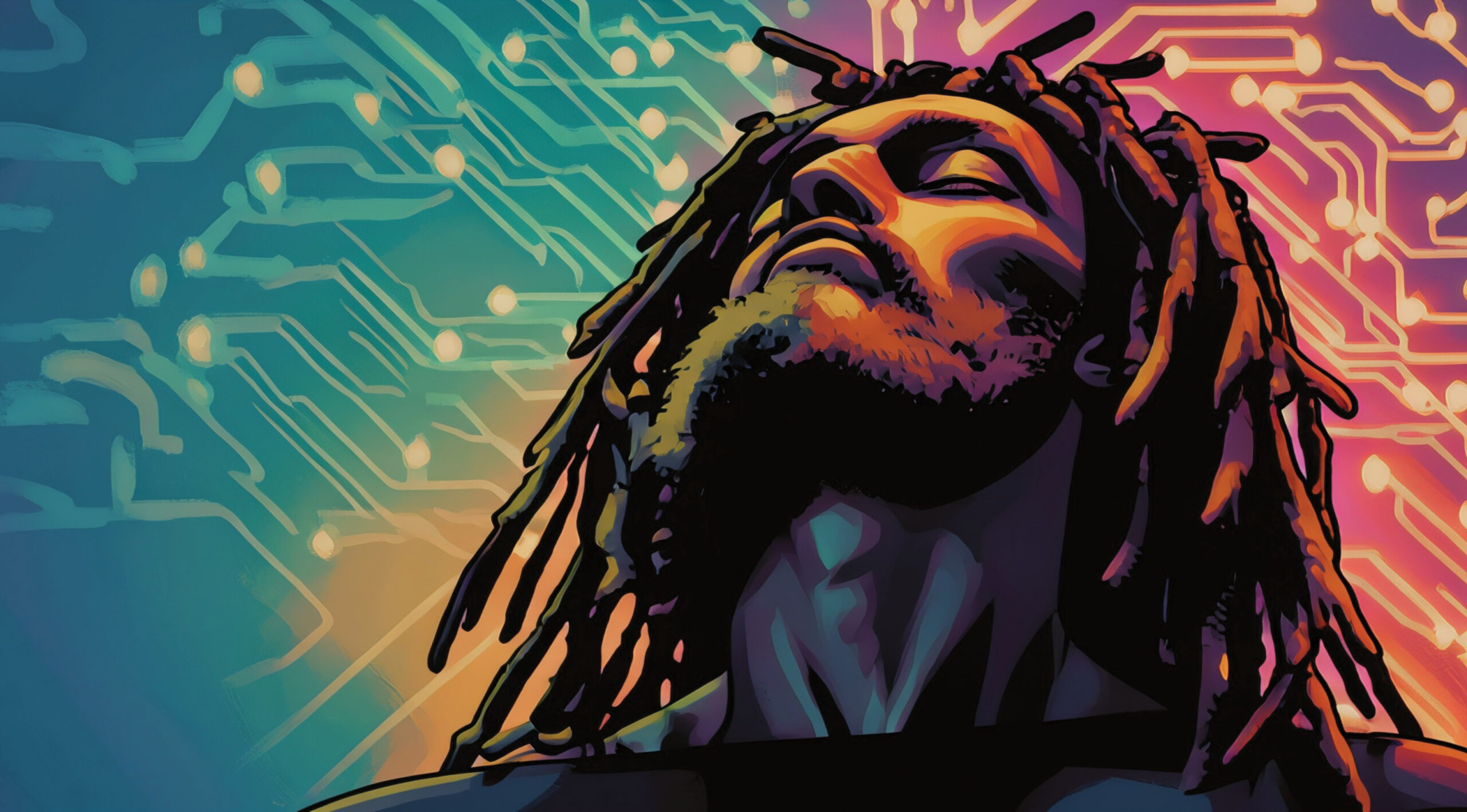
eanna sat in the back pew, phone in hand, scrolling. She wasn’t distracted. She was desperate. Her mother had just been diagnosed with early-stage Alzheimer’s, and Deanna, a 47-year-old nurse and Sabbath School teacher, was trying to find anything that would help her understand what lay ahead. She ended up on a random website, then a YouTube rabbit hole, then a meditation app that felt spiritually hollow. “I had all this technology in my hand,” she told me, “but I had no idea how to use it for my spiritual life.” Deanna’s struggle is not unusual. It is a defining spiritual tech-tension of our times.
Technology is Not the Problem
Technology is not the enemy of faith. It has never been. The printing press put Scripture in the hands of the people. Radio carried the gospel to remote villages. Television brought evangelism into living rooms. Each generation has faced the same question: Will we master this tool, or let this tool master us?
Most believers use technology reactively; they scroll what is served, consume what is convenient, and follow whatever algorithm decides they should see next. Very few have made a deliberate, Spirit-led decision about what it should do for their faith.
Proverbs 4:23 says, “Keep your heart with all diligence, for out of it spring the issues of life.” In a digital age, guarding the heart means guarding the feed. The question is whether you will be intentional about how technology will shape your faith.
Five Tech-tools Worth Knowing






Ellen White wrote something in 1903 that still rings true today: “Every faculty, every talent, every power of mind and heart, these are to be employed for the Lord” (“The Ministry of Healing,” p. 500). She could not have imagined the smartphone. But she understood that what we do with our capacities and our tools is a spiritual question.
Deanna eventually found her footing. She downloaded a grief and faith devotional app. She joined an online caregiver support group through her church. She started using a Bible app to pray Scripture over her mother every morning. That is the invitation. Not to be tech-savvy. To be tech-wise.


Start with these free Adventist apps, your digital faith toolkit, download these and put them on your home screen this week:
- Sabbath School & PM: the official GC app for your weekly lesson study.
- Breath of Life Ministries & Hope Channel: sermons and Adventist programming on demand.
- Amazing Facts: Bible studies and daily devotionals. All free and grounded.


I = Inspiration
Rooted in
Inspiration
- A Gift From God
- Internal and External Motivation
- The Guiding Light That Directs the Wellness Journey
- The Driving Force That Gives Purpose and Vision
- The Wellness Engine Toward Total Transformation
- For I, the Lord Your God, Will Hold Your Right Hand, Saying to You, “Do Not Fear; I Will Help You.” Isa. 41:13
he source of our inspiration often stems from various influences — parents, teachers, or other meaningful experiences. Inspiration is “a feeling of enthusiasm you get from someone or something, which gives you new and creative ideas” (Collins English Dictionary). For example, a professional athlete can inspire a child to practice tirelessly, or a public figure such as Barack Obama may ignite a passion for public service. This inspiration serves as a catalyst for change and action, pushing individuals from complacency to a brighter future.
I believe that inspiration begins with God. He often uses individuals and circumstances to plant inspiring thoughts. Ultimately, this divine inspiration is foundational to our understanding of deliverance and wellness.
The biblical narrative showcases this origin, with God creating humanity in His image. Humanity was made in perfect health and wholeness, labeled “very good” by its Creator (Genesis 1:31). Created in divine likeness, humanity was intended to live in freedom and eternal wholeness.
However, following humanity’s disobedience, the promise of restoration and hope emerged, even before their expulsion from Eden, as indicated in Genesis 3:15 (NKJV). Two theologians provide insight into this event: Carson (1994) describes the expulsion as a plunge into a hollow existence, revealing the depth of sin’s consequences. Morris (1976) links the curse leading to humanity’s plight to three fundamental aspects of creation: the physical universe, conscious life, and humanity’s spiritual nature.
Banished from Eden, humanity faced deception and lies regarding God and life. Nevertheless, God’s mission since Genesis 3:15 has focused on deliverance, healing, and restoration. God heard the cries of His people in Egypt and promised to liberate them (Exodus 6:6-11 NKJV). After delivery, healing followed; as seen in Exodus 15:25-26 (NKJV), which asserts God’s role as a healer.
The Hebrew term for deliverance, Yasha (Yeshuah), emphasizes its connection to salvation. The Greek words “soteria” and “sozo” further illustrate the relationship between salvation and healing. Isaiah’s prophetic messages call for a true fast to relieve suffering and underscore God’s wholistic approach to restoration (Isaiah 58:6-12). Jeremiah similarly emphasizes health and healing for captives (Jeremiah 33:6-9, NKJV).
The essence of deliverance finds ultimate expression in Jesus’ mission, as stated in Luke 4:16-19 (NKJV), where He proclaims liberty and healing. God’s deliverance aims to restore humanity to the perfect wholeness lost in Eden, a journey that extends into eternal life, as affirmed in Revelation 22:1-3 (NKJV).
The Scripture presents a clear deliverance mission through God’s salvific plan, indicating that restoration begins in this life and culminates in the next. This mission of deliverance inspires individuals to seek wholeness and healing in their human experience.
Inspiration, deeply rooted in divine origin and expressed through scriptural narratives, motivates individuals toward positive change. The journey through creation, the fall, and the promise of deliverance illustrates not only God’s love but also His intention for humanity’s wholeness.
Inspiration Can Motivate You to Accomplish Goals


 n April 1, 2026, lawyers representing the Trump Administration went before the U.S. Supreme Court to challenge the historical understanding of birthright citizenship. This doctrine enshrined in the 14th Amendment of the U.S. Constitution guaranteed that anyone born or naturalized in America, was a citizen of the United States.
Trump Administration lawyers argued that the high court should reinterpret the meaning of the words, “subject to the jurisdiction thereof” to mean only those who hold full political allegiance, not merely physical presence. On the surface, this appears to be just another spasm in the cyclical American nativist movement. However, a closer look at administration arguments reveals a malicious scheme to undermine and redefine American citizenship.
The administration tipped its hand when it admitted white South Africans, while denying other, truly oppressed people from Africa, Asia and Latin America. In doing so, the administration also used its power to determine eligibility.
Rights are like air; you don’t miss them until they are gone. Understanding where this right came from can help us understand why it is vitally important that we protect it.
Many Americans had anxiously waited to see if Lincoln would carry out his threat made 100 days earlier, when he signed the preliminary version of this measure. He had given the wayward southerners 100 days to end their rebellion or potentially face losses valued at billions of dollars: the men, women and children they enslaved, their “human property.”
Within two years, the process started by Lincoln had concluded as Congress enacted the 13th Amendment, officially ending the long nightmare of slavery. However, ending slavery was the easy part. Determining what to do with African Americans exposed the racism that characterized the paradox which is America.
Emancipating the nearly four million African Americans from chattel slavery highlighted a problem present from the founding of the nation. As those 55 white men representing 12 of the 13 disjointed colonies came together to write the Constitution, the disagreements between the Federalist and Anti-Federalist nearly tore the new nation apart. The document that the “Founding Fathers” created left several important questions unanswered. The architects of the constitution ignored the nearly 800,000 Africans in their midst.
After the Revolutionary War, several statewide movements to emancipate their enslaved residents erupted, making slavery a regional issue with national implications. The status of blacks remained shrouded in legal and ethical limbo. The 10th Amendment gave states all of the powers not specifically designated by the federal government. States had the right to determine citizenship rights for African Americans. Americans received citizenship from the states, and this citizenship was then accepted by the federal government. Therefore, Americans had a form of dual citizenship in which you were a citizen of the state wherein you resided, and then a citizen of the US.
In 1857, an enslaved man named Dred Scott sued his owners for his family’s freedom. His owner, a military doctor, had taken the Scotts to Wisconsin and Illinois, two states where slavery was constitutionally outlawed. You know the story of how Dred Scott’s case went all the way up to the United States Supreme Court.
In his infamous and devastating opinion Chief Justice Roger Taney concluded: “A free negro of the African race, whose ancestors were brought to this country and sold as slaves, is not a “citizen” within the meaning of the Constitution of the United States… Consequently, the special rights and immunities guarantied (sic) to citizens do not apply to them. And not being “citizens” within the meaning of the Constitution.”
In other words, African Americans could not be citizens nor be extended citizenship rights. Ignoring the undergirding principles of equality and freedom enshrined in the Constitution, the high court said Africans, though born and nurtured in America, could not be extended the rights, privileges and immunities of citizenship.
Even after being forcibly wrenched from their African homelands and forced to work as chattel slaves, African Americans were legally nonpersons and aliens in America.
- First, they wanted to enshrine equality before the law. Therefore, they armed American citizens with the ubiquitous “Equal Protection” clause. This weapon ensured that every American citizen would receive equal, impartial justice from the courts.
- Second, they wanted to end dual citizenship. Federal citizenship superseded state citizenship and your rights and status as an American, cannot be abridged by state power. The 14th Amendment was clear; anyone born or naturalized in the United States is a citizen of the United States and the state wherein they reside.
Yale Law Professor Keith Whittington argues the 14th Amendment did not invent birthright citizenship — it only reaffirmed the right after it was denied to black Americans in the Dred Scott case. Whittington argues that before Dred Scott, birth on United States soil alone was enough to prove citizenship. Before the 14th Amendment, the exceptions for ambassadors and the like were narrow, not a general rule denying citizenship to outsiders.
Current defenders of birthright citizenship relied on Whittington’s writings during their oral arguments. Democratic legislators point to a 1952 statute that granted birthright citizenship using the same language as the Amendment. They argued the 1868 meaning of “subject to the jurisdiction thereof” does not matter, because the public, in 1952, thought birthright citizenship included the children of undocumented immigrants.
In many ways, this fight mirrors the debates currently raging within Christianity. In Acts 16:31 (Amplified Version) says,
“And they answered, ‘Believe in the Lord Jesus [as your personal Savior and entrust yourself to Him] and you will be saved, you and your household [if they also believe].’”
Once we accept Christ, we become a part of His kingdom and family. Though we may still be dealing with sin and other issues, we remain part of His divine plan. 1 John 3:2 in the Living Bible says, “Yes, dear friends, we are already God’s children, right now, and we can’t even imagine what it is going to be like later on. But we do know this, that when he comes we will be like him, as a result of seeing him as he really is.”
We are citizens of God’s kingdom when we accept Christ. Don’t allow anyone to try to take that citizenship from you. Paul tells us in Galatians 3:29,”
“And if ye be Christ’s, then are ye Abraham’s seed, and heirs according to the promise.””
You may not look, sing, talk, or worship like those who have come before, but if you are reborn, you are a citizen. Citizenship gives you rights, privileges and immunities. It is vitally important that the courts hold the line in this case for birthright citizenship. As Dr. King said, “a threat to justice here is a threat to justice everywhere.” If we allow our rights as citizens to be chipped away, we will soon look up and find that they are all gone. This must be the mountain we are willing to die on. This fight is about maintaining the US Constitution as it is written.


Theologians call this the kenosis – referring to divine self-emptying.
Kenosis is the noun form of the Koinē Greek verb – kenow – I empty. The Messiah came into the world emptied of self.
Theologians debated throughout the centuries as to the extent to which Jesus laid aside His divine attributes; but the early church did not set out to answer that question. To them, and to Paul, the meaning of this kenosis is clear in the passage in its call to imitate Christ:
“Let this same mind be in you that was in Messiah Jesus.”
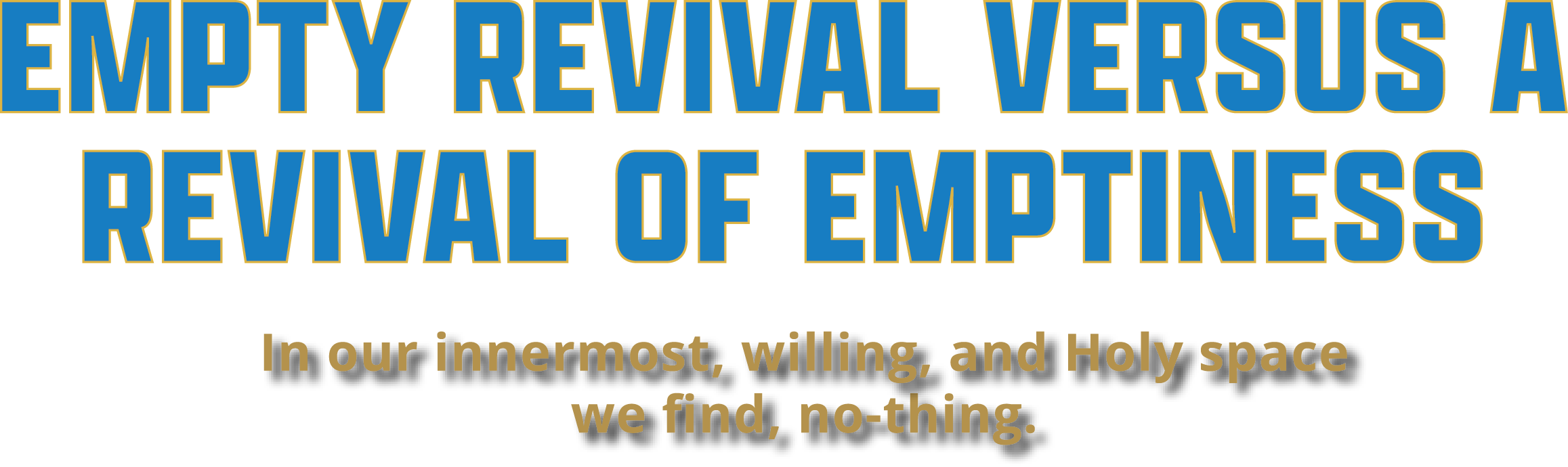
The passage in verses 6-11 from which we derive the idea of kenosis was a hymn composed by the early church that captured what it means to be in Christ. Theologians call it the Christ hymn of Philippians 2. There is an emptiness where there is no-thing, just be-ing in God. And so, here — now — the kenosis of being.
That is the place where I access the power of the Spirit, the power that is within that no human agent or agency can give or take away. And it is all that I need. It was all that Messiah needed to deliver humanity from the stronghold of death. It is power that comes through powerlessness, such as self-emptying – kenosis.
The primitive church used to sing or recite this “Christ hymn” before they became a religion called “Christianity.”
Before Roman imperial values infiltrated the church.
Before Rome took the church completely over as its chief instrument of imperial enforcement. The hymn served as a rebuke to Caesar who set himself up as a god (calling himself “Son of God”), though he was a brutal god demanding worship. The hymn was a call to resist a Roman imperial culture that revolved around pride and hierarchy with the emperor at the top, ensuring the enforcement of brutal decrees in the interest of power and control.
The hymn asserts, contra Caesar, that though Jesus was the real Son of God “He did not regard equality with God as something to be grasped, but emptied himself… humbled himself and became obedient to the point of death….”
Our Turn in the Beloved Community
Discipleship requires this very thing of us. Any version of the gospel that implies the contrary – hierarchy and triumphalism, power and control, even the obsession with being right — is a perversion. Here in his letter to the Philippians, Paul used the hymn to encourage and foster beloved community built on kenosis – self emptying.
The place at which I meet God is an empty space, a non-egoic space. My beliefs, my culture, my religion, my race, my caste, my gender – all the my-s — fall away to an empty space in surrender to no-thing, to be everything — one with God, restored in this present — now.
Paul puts it this way: “It is no longer I who live but Christ lives in me” (Galatians 2:20).
In Philippians 3:4-8 he counts his maleness, his religious certitude, and ethnic identity as “rubbish” in light of Christ. In the Galatian conversation, Paul contends with a community where ethnic identity, gender identity and class identity determined belongingness. Paul’s argument in Galatians is that these are ego identities that hinder unity in community and unity in God.

That call to empty self is a call to the holy of holies of being. We pride ourselves in the outer space, such as what to wear or not wear.
We are also keen about the inner space; maintaining it through diet, exercise,, adequate sunshine and fresh air. All that is important to quality of life on earth.
However, I wonder about that innermost space, the holy of holies of being. How many of us dare to enter there?
However, if the head space, what we believe, is the point of identity with God, we miss out on the profound life affirming sanctum sanctorum — holy of holies — where there is no-thing.
That’s a place where there are no dogmas, no policies, no “my” or “I”; only God, where we unite with God in the deepest of communion.
To experience the holy of holies of being is to experience it in others and minister to them from that central place free of anxiety and the need to win (a “soul”). There I empty myself and hand it over. “I no longer live, it is Christ who lives.”
The Refuge Into Nothingness
As a chaplain, I ministered to a patient who no longer wanted to live because of the unbearable pain of a cancer that had metastasized. She said that in spite of her desperate desire to die, she was afraid of the “nothingness” of death. Though she had grown up in a Christian family, her science vocation, as she processed it, left her with no transcendent anchor. She did not believe in anything beyond the present life as it is. Her prodding pleaded with me for “something” as she prepared to plunge into death. I knew as a chaplain that I could not evangelize. That, and my deep sense of empathy, pulled me into a state of pure calm.
I drew upon her science orientation. “Can you perceive of ‘nothingness’?” I asked. “Yes,” she said, and it’s frightening, but I do not want to live anymore.”

The scientist was moved. My directing questions formed a bridge by which she accessed a point of perception towards some thing infinitely greater than herself. In Jungian psychology, it is the transpersonal – the non-egoic state. For me, it is the no-thing – that neither religion or science can define — the deep space of kenosis. As her body’s cells broke down and her knowledge, beliefs, and high social status lay worthless to quell her fear and her unbearable pain, she entered into total surrender. I witnessed it.
“Thank you,” she said with a very weak, but powerful voice. “Will you pray for me”?
No doctrine — no preaching.
No believe this — no believe that.
Naked — empty; just God.
Is this how it was with that thief on the cross next to Jesus?
God raised up and exalted Jesus, not because of His original divinity or because He was entitled – and he was entitled – but because He placed humanity above Himself. That is life-giving humility that requires self-emptying – kenosis. Let this same mind be in you which was in Christ Jesus. When I surrender to Christ living through me, I need not live my life to prove anything. I need not try to outdo others, grasp for influence, dominate others or prove that I am right.
Let us enter into the kenosis with Christ
This is freedom.
That dream, known as the Artemis program, named after the twin sister of Apollo in Greek mythology, symbolized continuity between past achievement and future exploration. When Artemis II launched its crewed mission, it marked more than technological progress. It marked the reopening of a chapter that had been closed for more than half a century.
The message was this: Humanity was returning, not just to space, but to possibility.
The message for us: Progress remembers sacrifice.

“In the beginning, God created the heaven and the earth.”
In a divided time, space exploration became a moment of shared wonder.
During the Artemis II, astronauts carried more than equipment. They carried conviction, belief, and a witness of integrity through faith. Piloting the crew was Victor Glover, a Sunday school teacher known for openly expressing his Christian faith. Glover brought symbolic reminders of belief aboard the spacecraft, including Scripture and Communion elements. From deep space, messages were shared reflecting love for neighbor, stewardship of creation, and gratitude for the opportunity to explore. Their witness reminded the world that science and faith do not compete but they can, with the lens of God as scientist, complement one another.
The message for us: Science explains mechanisms, faith explains and believes meaning, and exploration in that space of belief opens doors for testimony.
From Apollo to Artemis — Humanity’s Return to Deep Space
1968 Apollo 8 Orbits the Moon
First crewed mission to circle the Moon.
1972 Apollo 17
Last lunar mission for more than fifty years.
1986 Challenger Disaster
Seven astronauts lost during launch.
2003 Columbia Disaster
Seven astronauts lost during re-entry.
2022 Artemis I
Successful uncrewed lunar mission.
2026 Artemis II
First crewed lunar orbit since the Apollo era.
The message for us: In space, survival depends on systems, but in faith survival depends on surrender. And both require trust.
The name Integrity connects directly to the spirit of Apollo 8, a mission remembered not only for scientific success but for its unifying message during a divided era. Just as Apollo 8 brought people together through shared wonder, Artemis II carries a similar hope, to unite humanity through exploration. This calls us to a higher thinking of integrity because Integrity represents more than a spacecraft. It represents cooperation among thousands of individuals working together across disciplines, nations, and cultures. Every system aboard the spacecraft depends on integrity, of design, materials, and human collaboration. In many ways, the spacecraft’s name becomes a mirror for society.
“The righteous man walks in his integrity; His children are blessed after him” (Proverbs 20:7).
Integrity strengthens faith, and faith strengthens integrity. One shapes character, and the other sustains courage. And together, they form the foundation upon which great journeys are built. For astronauts, integrity means doing what is right even when no one is watching. For believers, faith means trusting God even when He cannot be seen. When integrity and faith work together, fear gives way to confidence, and uncertainty gives way to movement. And that is the message carried within the name Integrity:
The message for us With integrity and faith working together, the impossible becomes reachable. “Because of my integrity you uphold me and set me in your presence forever” (Psalm 41:11-12).

However, while this may be true for the majority of African Americans, a percentage still struggle with believing who God is. Some have a very strong and powerful relationship with God; others feel extremely disconnected.
Justin Ray traced interesting trends in “The Guardian” last year,” noting the rise of secularism among African-American communities. Many believed religion was a way to cope with life during slavery — generally why black Americans place a higher value on religiosity than white Americans. However, slavery is now an extinct institution; therefore, to some, the need for connection with God is irrelevant.
There is a text in Scripture that changed my perspective years ago on the realness of God, and I want to offer it as support. But before I unpack it, I would suggest that many have left God, or no longer believe in Him, out of disappointment.
Ever felt the pain of spiritual disappointment? Years ago, when I contracted Lyme disease and was on the brink of death, it caused me to question God’s existence. Pain will push you to ask certain questions that peace never will. In my battles with this disease, without full healing, I have at times wondered if God was there.
Is God really hearing my prayers? If so, why isn’t He answering them?
I am learning, though, that when these types of questions assault the soul, it’s usually born from disappointment or pain.
According to Romans 12:3, when we were born, all of us were given a measure of faith. What does that mean? It means we were born with an understanding that there is Someone greater than us.
When my wife was pregnant with both of our children, I would often lean down to her belly and begin talking to them. I could feel them kick and listen to them moving around inside of her, but at the time they couldn’t verbally respond to me. However, when they were born and I looked into their eyes and they looked back at me, it’s almost as if their expressions were telling me — you sound familiar. There was a familiarity, it seemed, to my voice that they had heard before.
Let me take this a step further! Psalm 34:8 says, “Taste and see that the Lord is good.” This is intriguing because it suggests that for an individual to fully understand who the Lord is and what He does, they must experience God for themselves. Following the Lord must be lived to be understood.
Is God real? God’s realness can best be communicated through an individual’s personal testimony! You cannot deny someone’s experience. You cannot discount what someone has lived through. When God reveals Himself through a miracle, a circumstance, or even through another person, it becomes personal.
There are several ways that God has communicated how real He is:
- Dreams and Visions (Genesis 37)
- Nature (Psalm 19)
- Creation (Romans 1:20)
- Prophets (Amos 3:7)
- Jesus Christ (John 1:14)
- Personal Experience (Jeremiah 29:13-14)
- His Word (2 Timothy 16-17)
I have discovered, though, that while many people don’t deny the existence of God, they — at times (as I do) — take issue with how God sometimes operates. Let me encourage someone today not to deny the existence of God simply because you don’t enjoy the season of life you are in. Seasons always change. God isn’t just real; He has a plan for your life!




Some nations distort this value. They will embed their military headquarters inside hospitals, schools or in centers of civilian populations. This strategy is not to protect the vulnerable. The intent is to use the vulnerable as a shield. They lace their compounds with children. They decorate their headquarters with civilians. They use the sacredness of life as a shield so their enemies don’t attack their plans, or strategic centers.
That military strategy has been adopted as a political strategy. In the United States we are governed by a “Make America Great Again,” (MAGA) strategy. To be clear, MAGA is a political ideology. It supports the idea of small government, state’s rights, high immigration standards, and “America first” policies. At the same time these are political ideologies that marginalize the poor, endanger the immigrant, cap female progress, and insult minority communities. It is a dangerous political ideology that fuels fear, division and feeds upon the fragility of many in the majority culture.
Yet the genius of MAGA is not the strength of its ideological focus. It is the shield it uses as a barrier from critique. The leader of the MAGA movement professes no personal belief in God or personal conviction about the faith of Jesus Christ. Yet he touts himself as the one who is “bringing religion back to America” or “Making Christianity hot again.” MAGA claims the Bible as the reference for its principles, making social issues like gender identity and abortion, their target. They have sought to create an unholy trinity composed of Republican policy, patriotism, and Christian faith.
They look to create an image of an American Jesus, draped in the Stars and Stripes, who speaks English and who is partial to our way of living. The stealth of the strategy is that they have so aligned these distinct and separate values as one, that if you critique the one, you are then accused of attacking the other.
Christ and MAGA are separate beings yet they have sought to make them Siamese twins. Far from caring for church, sacraments, God or prayer, many have subtly used them as a shield. They house political schemes under the banner of the church so that in order to critique unethical policy, you have to attack the church.
And those aligned with them have been so deceived that they treat criticism of MAGA policies as an attack on God, religion or the church. And some don’t look to proselytize people into the way of Jesus, but they are MAGA evangelists acting as if embracing one is embracing the other.
The power and purity of the Christ movement is diluted daily through this unholy political association. Jesus maintained a healthy autonomy from earthly political association.
“My kingdom is not of this world . . . If it were I would fight for it.” Jesus is neither Republican nor Democrat. He is neither American nor conservative. His kingdom operates according to a separate set of values. Values that precede the American experiment and that will outlive time. You have the right to embrace whichever political worldview you choose. But you should never conflate it with the gospel of Jesus Christ and it should never be exalted above the gospel or the commandments.
We must divorce MAGA from Christianity. There needs to be a separation of assets and property. We should fight for theological alimony and push for full custody. The Christian movement will suffer irreparable harm and lose its moral power and prophetic voice if it stays in this unequally yoked merger.

We invite you to watch Breath of Life.
There are many options to choose from…
Atlanta, GA | WATC-TV Channel 57
Huntsville, AL | WAAY-TV Channel 31
Memphis, TN | WANT-TV Channel 24
Montgomery, AL | WNCF-TV Channel 32
Phoenix, AZ | Good News TV • mygoodnewstv.com
Hope Channel
Three Angels’ Broadcasting Network (3ABN)
Word Network
YouTube – YouTube.com/c/breathoflifetv
Facebook – Facebook.com/breathoflifetv
BOL Website – breathoflife.tv/videos/




The Bible declares in Hebrews 13:8 that “Jesus Christ is the same yesterday, today and forever.” Therefore, if He is the same today as He was back then during the time of David, Moses, Noah and all the people of the Bible, then we can surely trust Him today.
The Bible again declares that this same Man is coming again to this world to save His people. And when He comes Psalms 96:13 says “He is coming to judge the earth. He shall judge the world with righteousness, and the people with His truth.”
This is great news, because we can trust His judicial process because when He judges He will judge using His standard of righteousness and His standard of truth. Therefore, the guilty will get the penalty they deserve and the innocent will be set free. Therefore, we can trust God in His courtroom to make fair decisions.
So, is there anyone left you can trust? Yes, we can trust Jesus because His Word (the Bible) has been inspired by God (2 Timothy 3:16). His Word came about not because some of the greatest minds decided we needed to have something for the human race. But because God’s will was for every person, man and woman, boy and girl, to have a clear understanding of Jesus and His unending love for both you and me and the entire world.
We can trust Jesus and His word because everything in this world will fade, but in His Word not one dot or letter will ever fade away. This is so beautiful because we see that in nature the trees die in the winter and return in the spring. We see that in nature and in daily life things and people die and get destroyed but God’s word will never fade or be destroyed. In fact, the Bible, the only thing that has been able to stand the test and trials of every generation, and today, in this 21st century is still alive and reliable.

- They have trusted Him with their finances.
- They have trusted Him with finding a spouse.
- They have trusted Him with what decisions to make in life.
- They have trusted Him when they were faced with danger.
- They have trusted Him when they needed victory or deliverance.
- They have trusted Him in the darkest moments of their lives, and each time they have put their trust in Him, Jesus never failed and always delivered.
My friends, Jesus and His word are eternal. And because of this He can be trusted! And because of His everlasting love and care for you, Jesus can be trusted. Is there anyone left we can trust? Yes, Jesus because He is the everlasting King, every living, ever-living, ever-loving, ever-truthful Savior.


Freedom That Deepens Over Time

For those exploring faith, growth in Christ offers a realistic vision of transformation — one that makes room for learning and change without denial of difficulty. For those who follow Christ, it guards against both despair and pride.
To grow in Christ is to live increasingly free; free to face oneself honestly, free to love others generously, and free to trust God deeply. This growth is not a burden to carry, but a life to receive — one day, one decision, one act of trust at a time.
Looks like real struggle: Some imagine spiritual growth as moral perfection or constant victory. Others reduce it to emotional intensity or spiritual performance. Scripture offers a more grounded vision. Growth in Christ is marked by honesty rather than denial, humility rather than control, and perseverance rather than spectacle. It unfolds unevenly, shaped by real life, real struggle, and real grace. Growth also involves resistance. There will be spiritual opposition or destructive influences. Yet focus remains on Christ’s sufficiency, not on fear of failure. Growth is sustained not by vigilance alone, but by confidence that Christ is stronger than what resists Him.
A new thing: The New Testament speaks of growth as freedom from powers that once dominated human life — fear, guilt, shame, addiction, and destructive patterns of thought and behavior. This freedom does not come through willpower alone. It comes through dependence. As trust in Christ deepens, His life begins to reshape desire, habit, and response from the inside out.
Staying in position: This is not passive. Growth involves intentional practices that create space for transformation — reflection, prayer, learning, rest, community, and service. These are not techniques for earning spiritual progress, but ways of remaining open to Christ’s shaping presence. Growth is less about striving harder and more about staying receptive.
Staying in community: Importantly, growth is relational. Isolation distorts faith. Community grounds it. As people grow together, they learn patience, forgiveness, accountability, and compassion. Growth in Christ always moves outward toward love expressed in concrete action. It produces gentleness without weakness, courage without domination, and conviction without cruelty.
Measured differently: People come to see themselves not primarily through past failure or present struggle, but through God’s ongoing work in them. Maturity is not measured by flawlessness, but by resilience, wisdom, and love that endures under pressure.
The church is imperfect, but it is not purposeless. When centered on Jesus, it becomes a living testimony that reconciliation is possible, difference can coexist, and love can be practiced in real time.

Mission central: At the same time, Scripture is honest about the church’s fragility. Communities can drift. Power can corrupt. Fear can replace love. The New Testament repeatedly calls the church back to its center — Jesus Himself. When the church loses sight of Christ’s character, it loses its purpose. When it reflects His humility, compassion, and courage, it becomes a sign of hope.
The New Testament presents Jesus as the faithful witness, one who embodies truth without compromise and love without coercion. Those who follow Him are not called to withdraw from the world or dominate it, but to remain faithful within it. This faithfulness is not about superiority; it is about persistence.
Christian Scripture speaks of a people who keep returning to Jesus when others move on; who refuse to redefine truth to fit power, convenience, or fear. This community is not preserved because it is stronger or purer than others, but because it clings to Christ when trust is tested. Faithfulness, in this sense, is not static belief but lived allegiance.

Importantly, this faithful community does not stand apart from humanity’s brokenness. It is not spared from suffering, doubt, or failure. It lives under the same pressures as everyone else. What distinguishes it is not immunity, but orientation. It keeps turning back to Jesus as its measure and hope.
In Adventist understanding, this witness carries a particular urgency. History is moving toward accountability and renewal. Choices matter. Truth matters. The way power is used matters. Faithfulness to Christ becomes not only personal devotion, but moral clarity in an age of confusion.
This does not grant license for arrogance or exclusion. Scripture consistently warns that faithfulness without humility becomes distortion. The faithful community is always being corrected, refined, and called back to love.
The New Testament describes unity as a consequence of relationship with Christ, not as a prerequisite for belonging. People are not first required to agree on every issue, adopt the same customs, or erase their differences. They are invited to orient their lives around the same center. Unity emerges not from control, but from communion.
Jesus models this kind of unity in His own relationships. He gathers people who would not have chosen one another — fishermen and tax collectors, the socially respectable and the morally suspect — and binds them together through shared life rather than enforced conformity. He does not flatten their differences; He reframes them. What unites them is not similarity, but trust. Importantly, unity does not mean avoidance of disagreement. The early Christian community wrestled openly with conflict, misunderstanding, and cultural tension. What preserved unity was not the absence of difference, but the commitment to remain accountable to Christ’s way of love. Unity is preserved not by winning arguments, but by refusing to abandon one another. This vision also confronts systems that divide people for advantage. Jesus refuses to rank human worth. In Him, distinctions of status lose their power to exclude. Unity becomes an act of resistance against narratives that thrive on fear and hierarchy. To belong to Christ is to belong to one another across boundaries that once seemed immovable.
Unity shaped by Christ is fragile, but it is powerful. It refuses the logic of division and models a way of life that does not depend on domination or exclusion. In a world accustomed to fragmentation, such unity stands as quiet testimony that reconciliation is possible, and that love can hold what fear cannot.

The New Testament inspired writers consistently link baptism to relationship rather than ritual. People are baptized not into an institution, culture, or identity marker, but into Christ Himself. The act symbolizes a willingness to leave behind a life oriented around self-rule and to enter a life shaped by trust in Jesus. It marks the transition from observation to participation.
Baptism draws its meaning directly from the life of Christ. Jesus enters the waters not because He needs cleansing, but to fully identify with humanity and to affirm the path of obedience and trust. Later, His death and resurrection give baptism its deeper significance. Going beneath the water reflects the end of an old way of life; rising from it reflects the beginning of something new. It is a public declaration that a person’s story is now bound to Christ’s story.
Importantly, baptism does not claim that a person has arrived at maturity or resolved every question. It acknowledges the opposite: that transformation is needed and that growth will continue. Baptism does not eliminate struggle, temptation, or doubt. It names direction rather than completion. It is the beginning of a journey, not the conclusion of one.
Baptism is also communal. It does not privatize faith, but locates it within relationship. To be baptized is to be welcomed into a community learning to live by the same grace. This community does not replace individual responsibility, but it supports it. Faith is strengthened when it is practiced in the presence of others who are also learning, failing, and growing.
At its heart, baptism is an act of trust. It does not save by its performance, but by what it expresses: confidence that life rooted in Jesus is worth embracing. The water does not change a person; the relationship it symbolizes does.
For those exploring faith, baptism is not a demand for instant certainty, but an invitation to commitment grounded in trust. For those who follow Christ, it serves as a reminder that faith is lived, embodied, and visible.


Across neighborhoods, pews, and kitchen tables, Black families, entrepreneurs, and elders are rewriting what wealth looks like. These are not just stories—they are strategies with a soul. Every decision, every dollar, every act of discipline and vision is rooted in something eternal.
Let’s meet a few of them.
Now, all her properties house working families at below-market rent. Her rule? Ten percent of profits go to her church. Ten percent into a college fund for each grandchild. The rest—reinvested. “I don’t call it real estate,” she says. “I call it community maintenance.
They now host quarterly “Faith & Finance Fridays” in the back of the barbershop, where young men get free shapeups and real talk on credit, crypto, and compound interest. “Faith without works is dead,” Derrick says. “But works without wisdom? That’ll bury you in debt. We do both.”
At her church, she teaches a bi-monthly class called “God’s Will and Your Will,” helping families understand the power of legal planning—trusts, life insurance, medical directives. Her motto: “You can’t pass down what you didn’t prepare.”
She drives a 2011 Buick and owns a two-flat on the South Side. Her net worth? Quietly past seven figures.
Each month, she posts her “10-10-10 breakdown”: 10% tithe, 10% savings, 10% community giveback—whether it’s paying off a student’s book fee or covering someone’s car repair bill.
“This is not hustle culture,” she writes. “This is harvest culture. And when you steward your field, it multiplies.” These aren’t exceptions. These are blueprints. These are people building wealth—not in spite of their faith, but because of it. They don’t wait for the market to be right. They don’t wait for recognition. They move in alignment—with God, with community, with purpose.
This is wealth building that starts at the alter and ends with assets.
Not loud, but lasting. Not flashy, but faithful.
Not charity. Legacy.

- Which story resonated with you the most-and why?
- What values, strategies, or spiritual principles did you see reflected that align with your own vision of wealth?
- How do you define wealth in your own life?
- Is it based on income, impact, independence-or something else entirely?
- Do you know someone in your own family or community who is a quiet wealth builder?
- What can you learn from their habits, discipline, or example?
- What does it mean to you to be a “community maintainer,” like Thelma B.?
- How might your finances serve more than your personal needs?
- Derrick and Tyrese redefined their profession into a platform.
- What skills, spaces, or side projects in your life could be activated into vehicles for generational change?
- Auntie Rose teaches estate planning as a form of ministry.
- Have you taken steps toward your own legal and legacy planning? What’s stopping you-and what’s one small step you can take now?
- Kayla calls her practice “harvest culture.”
- How does the way you manage your money reflect your beliefs about stewardship, responsibility, and faith?
- Many of these profiles highlight tithing, saving, and giving.
- How balanced are these three pillars in your own financial plan? Which area needs more attention or prayerful intention?
- These builders didn’t wait for the perfect conditions-they acted in faith.
- What financial goal or vision have you been delaying? What would it look like to move on it this week?
- What legacy are you building-intentionally or unintentionally?
- If your money told a story, what would it say about your faith, your values, and your love for others?


2 tablespoons grated vegan cheese
2 small chopped onions
¼ teaspoon oregano
½ cup plain bread crumbs
1/8 teaspoon cinnamon
¼ teaspoon thyme
¼ cup chopped parsley
Preheat oven to 350 F. Combine all ingredients, mixing well. Press tightly into loaf pan and bake for 1 hour.
Calories: 200
Sodium: 95 mg
1 cup cooked brown rice
½ cup chopped pecans
1½ cups water
1 medium onion chopped
1 cup whole-wheat flour
1 teaspoon sweet basil
1 teaspoon thyme
2 tablespoons vegetarian seasonings
1 teaspoon cumin
1 teaspoon parsley
Combine brown rice, bread crumbs, and pecans in a bowl and set aside. Blend remaining ingredients and pour into rice mixture and stir. Place in an oiled loaf pan and bake for 45 minutes at 350 F.
Calories: 260
Sodium: 180 mg
2 tablespoons olive oil
1 chopped red bell pepper
1 cup chopped or sliced onion
½ cup water
1 tablespoon Mrs. Dash seasoning (optional)
Saute’ onions, green peppers, and oil together in large saucepan. Add chopped greens and water. Cover. Cook slowly, stirring frequently until done (20 to 30 minutes).
Calories: 60
Sodium: Less than 5 mg
1 tablespoon yeast
1 tablespoon honey
2 ½ cups warm water
1 tablespoon olive oil
2 cups cornmeal
Mix warm water, oil, and honey to dry ingredients with yeast. Stir just enough to moisten all ingredients. Lightly spread oil/plant based margarine into a prepared 9” x 13 x ¾” baking pan. Let mixture rise, then bake at 350 F for 45 minutes or until done. Let cool. Best cooked the day before needed and reheated.
Calories: 85
Sodium: Less than 5 mg

by Starian Black

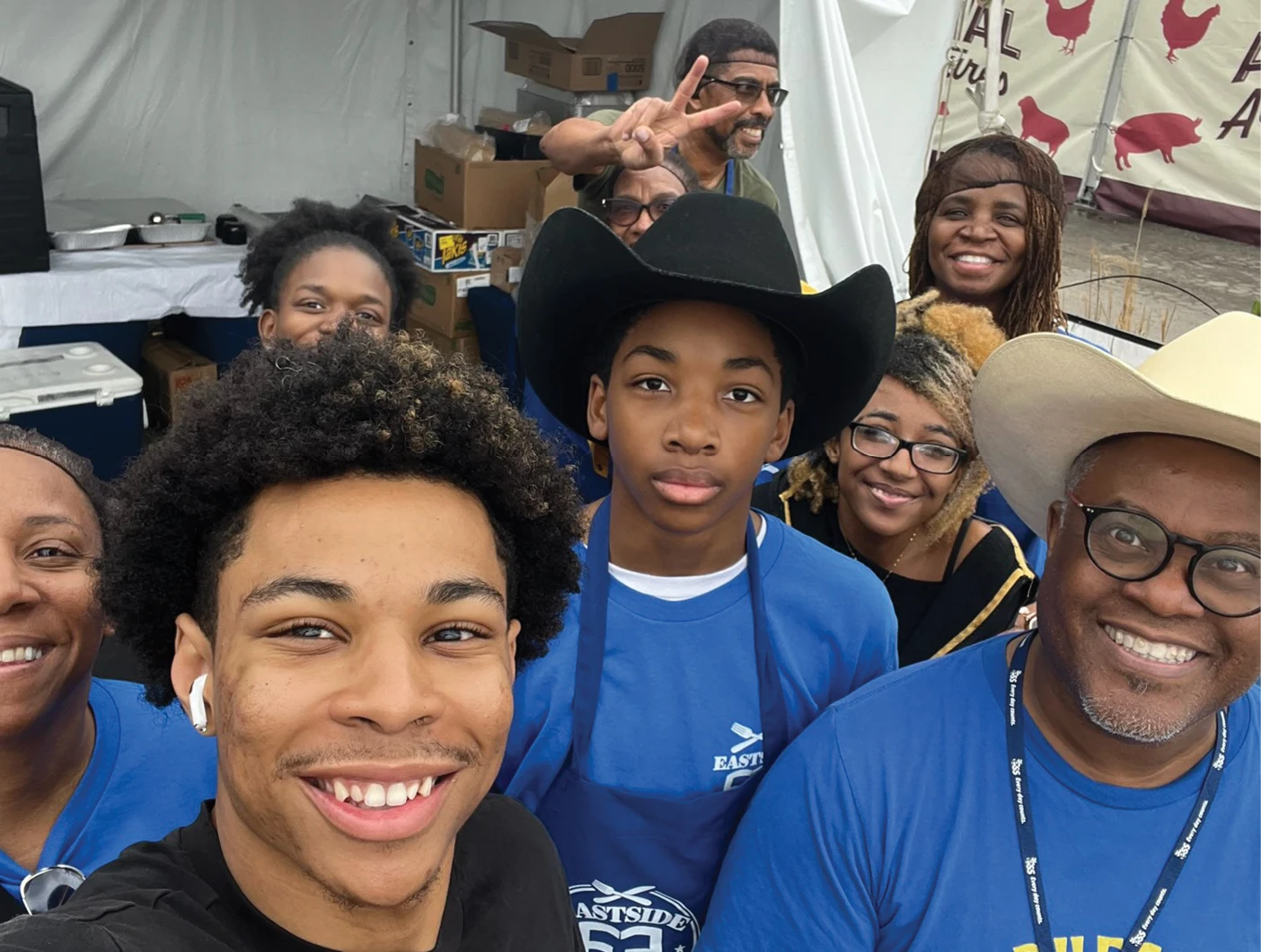
When a local community leader invited the church to provide plant-based food options at the San Antonio Stock Show & Rodeo, volunteers rallied to make this first a memorable milestone.
Ephesus became the first church ever invited to participate in the Rodeo’s 76 year history, the first Adventist church to do so, and the only vendor offering a fully plant-based menu. The food and the fixins’ were created by head chef Kenneth York and his two assistants, Kris Brown and Larry Carter. Other volunteers, like John Pickens, transported volunteers between the church and rodeo.
Operating under the name “EASTSIDE EATS: The Ephesus Experience,” the booth was inspired by Psalm 34:8: “Oh, taste and see that the Lord is good.”






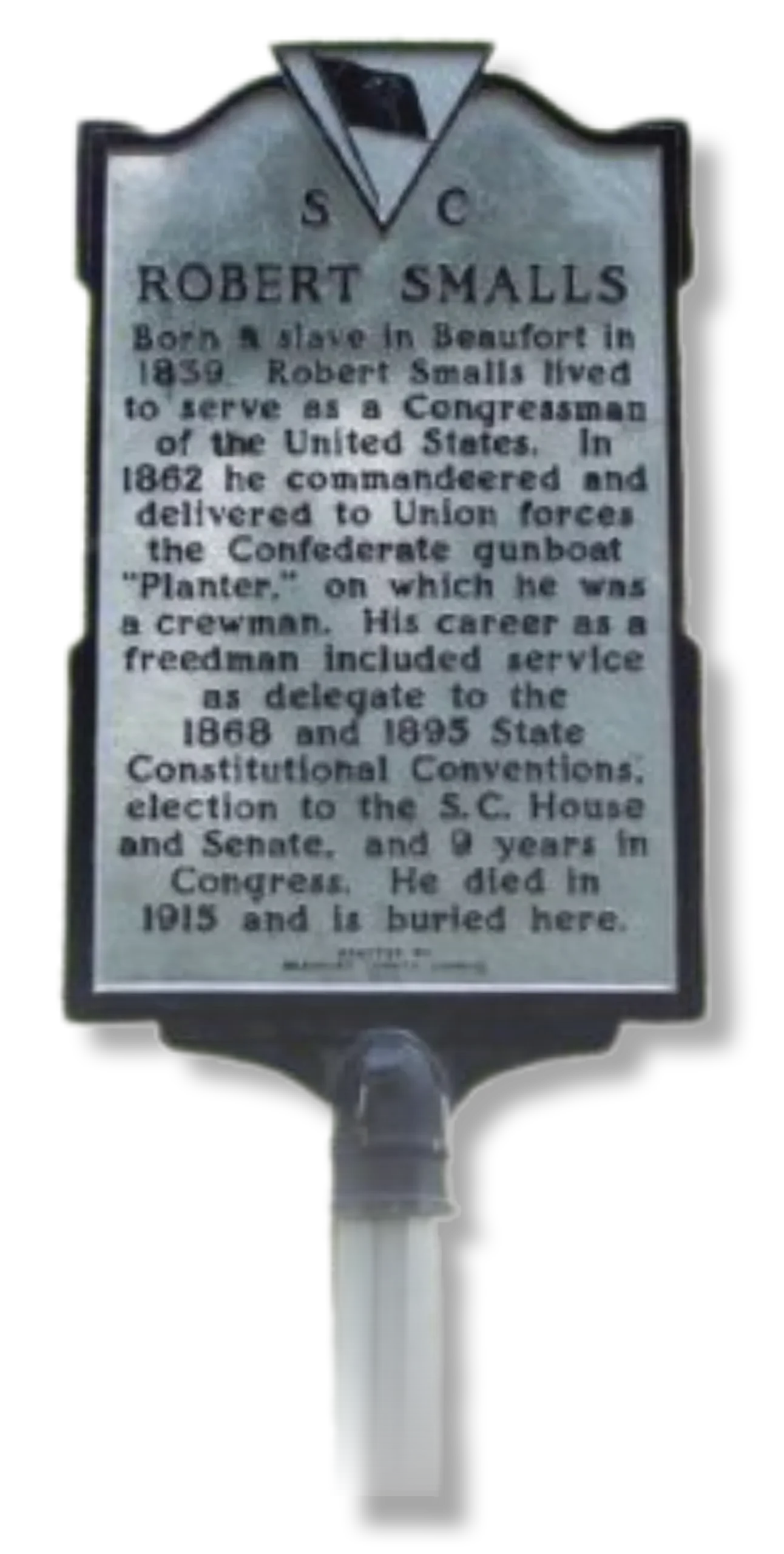
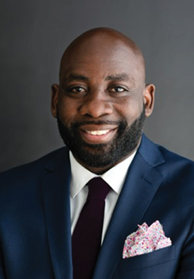
Take a listen to oral history from the church’s Pastor, Dr. Christopher Thompson who wrote this issue’s African American Freedom Timeline. Thompson tells of the escape and capture of the C.S.S. Planter by Robert Smalls, Harriet Tubman’s civil war spy technique, Black folks winning in Beaufort in 1862 Beaufort.
“Our people have always had agency. Our people have always operated with innovative and genius ideas and strategies,” says Thompson. “Our people have always fought for freedom. We found any way possible to take our dignity back, seize the moment to empower ourselves. Who would have thought of, just a chance opportunity, a chance moment at the dock, seeing the ship, seeing the soldiers leave the ship, saying, “wait a minute,” and just taking it? So, sometimes, you gotta just seize it. Carpe Diem.
They knew how to get stuff done. . . . That’s something we can be proud of and hold onto.”
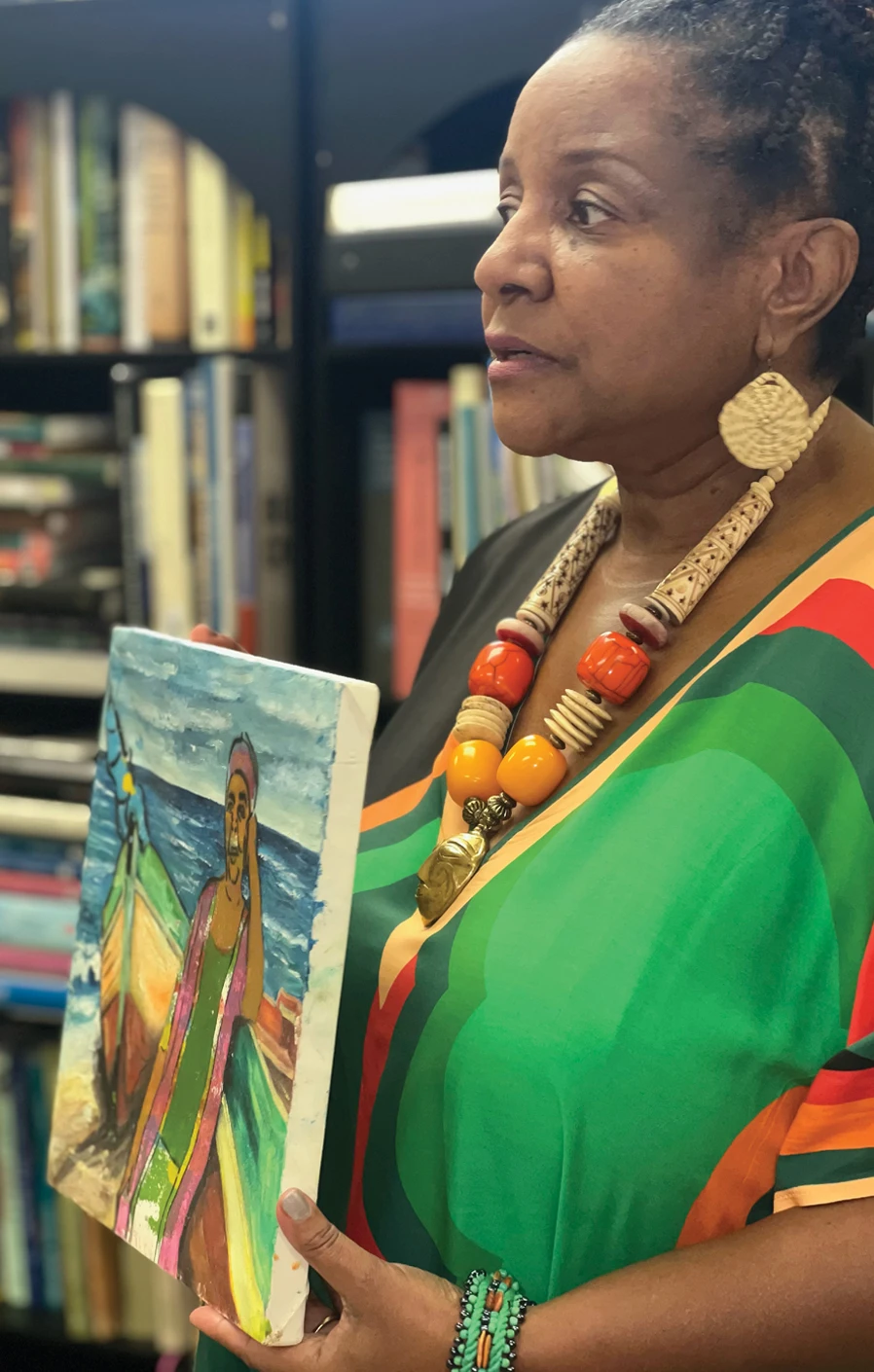


“They’re making the things. They’re selling the things,” said Cliett Long. “Right here in Charleston, which was the Royal African Market, African market women ruled the market for over 200 years into the mid-20th century. They ran that market. And when I say ran, you didn’t come in there if you were disrespectful, even [though the market women were] enslaved. They were “bought” as investments, like stocks and bonds. And, there are records, Charleston city records of people complaining, ‘They’re telling me I can’t come in there.’ ‘They said do you like eating? You better go in there and do what they say.’”


Atlanta, GA 30318
 404-799-7288
 http://atlantaberean.com/bomc
 [email protected]
P.O. Box 519
Ashton, MD 20861-0519
301-774-0400 https://www.emmanuelbrinklow.org [email protected]Baltimore, MD 21217-3803
410-669-6350 https://www.bereatemple.org [email protected]Windsor Mill, MD 21244-2042
410-922-0050 https://www.libertysda.org [email protected]7000 South Michigan Avenue
Chicago, IL 60637
773-224-7700 http://www.shilohsdachicago.orgMemphis, TN 38106
901-774-5431 http://longviewheights22.adventistchurchconnect.orgOrlando, FL 32810
407-704-6963 https://www.guilgalsda.org/ministries/community-serviceSaint Louis, MO 63113-1520
314-361-6446 https://bereanmo.adventistchurch.org [email protected] St. Louis, MO 63136-1500
314-868-0707 https://www.northsidesda.org [email protected]