




As a founding document of America, the Declaration of Independence identifies the equality of men and the right to “life, liberty, and pursuit of happiness” as obvious truths that need no explanation. After 250 years, however, with both our historical shared beliefs and future ideals in question, there are no “obvious truths.” According to American History Central and the National Archives, the Second Continental Congress created the Committee of Five to state the reasons for independence. The committee consisted of Thomas Jefferson (deist, lawyer, scientist, and plantation owner from Virginia), John Adams (unitarian and lawyer from Massachusetts), Benjamin Franklin (deist, scientist, and printer from Pennsylvania), Robert R. Livingston (Presbyterian and merchant from New York), and Roger Sherman (congregationalist and lawyer from Connecticut). The committee designated Jefferson to write the initial draft.
“Thomas Jefferson was a deist,” said Vanessa Williamson, Senior fellow, Governance Studies at The Brookings Institution. “He was not a sort of an active Christian, and many of the founders doubted, largely in their private letters, but in writing, that God was an active presence in the day-to-day lives of man.”

“And it is worth pointing out that as much as we talk today about the beautiful phrase about things like ‘all men being created equal,’ at the time of the Revolution, most black men fought on the side of Britain,” said Williamson.
“Because it was Britain that they thought, and at the time quite correctly, was more likely to live up to the goals of emancipation no matter what our founding documents had said.”
Despite the inspiration and rallying cry of the Declaration of Independence, it failed to attract most black men. For black men, slavery represented their reality, but for plantation owners who signed the Declaration of Independence it represented their economic reality.
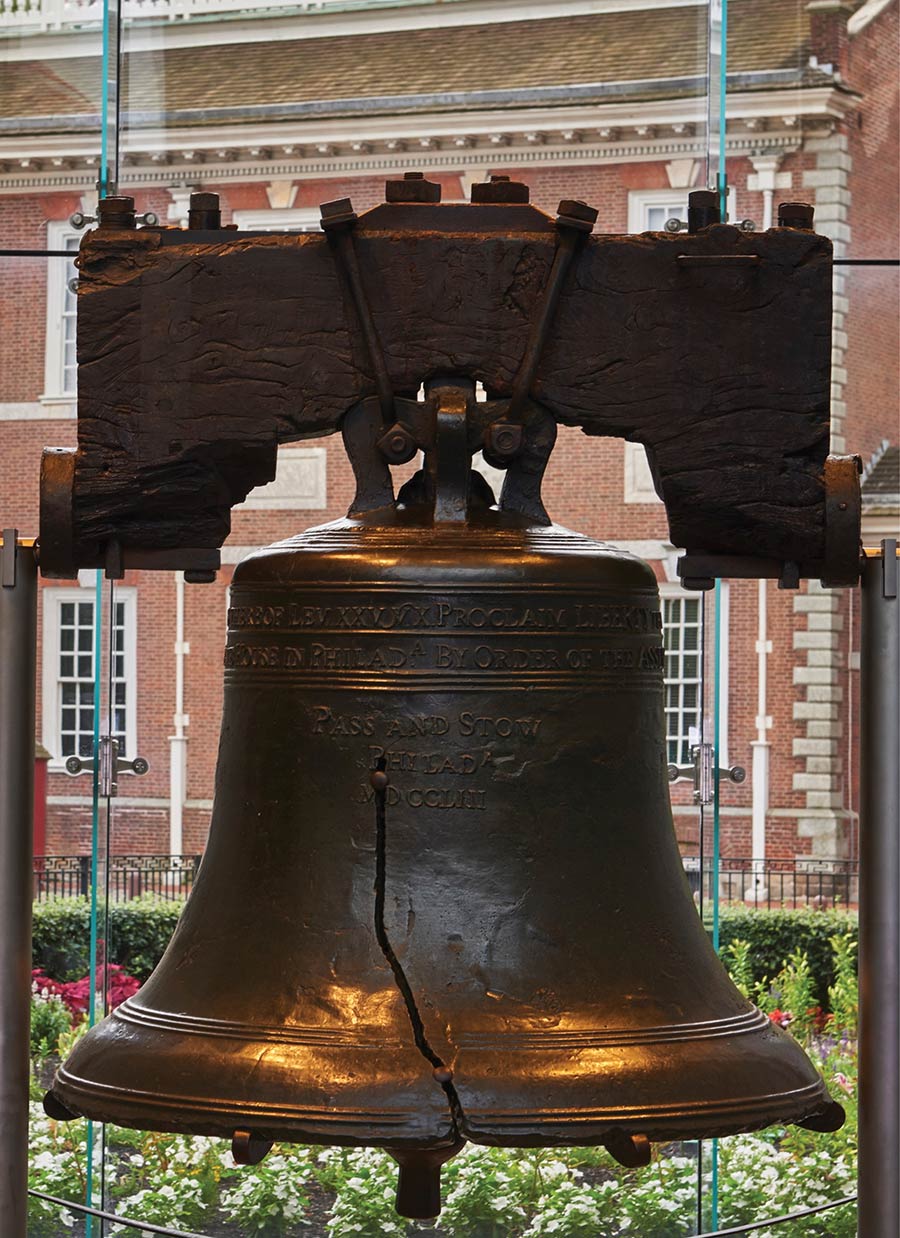
In celebrating the 250th Anniversary of The Declaration of Independence, we need to contemplate the dog whistles of Make America Great Again, the ideology behind Christian Nationalism, the authoritarian and intimidating attacks on democracy and civil liberties, the changing narrative on religious liberty, the whitewashing of history, and the elimination of diversity, equity, and inclusion programs. Does the preamble of this founding document reflect the best interest for white educated males with means in America, or Americans as a whole today?