


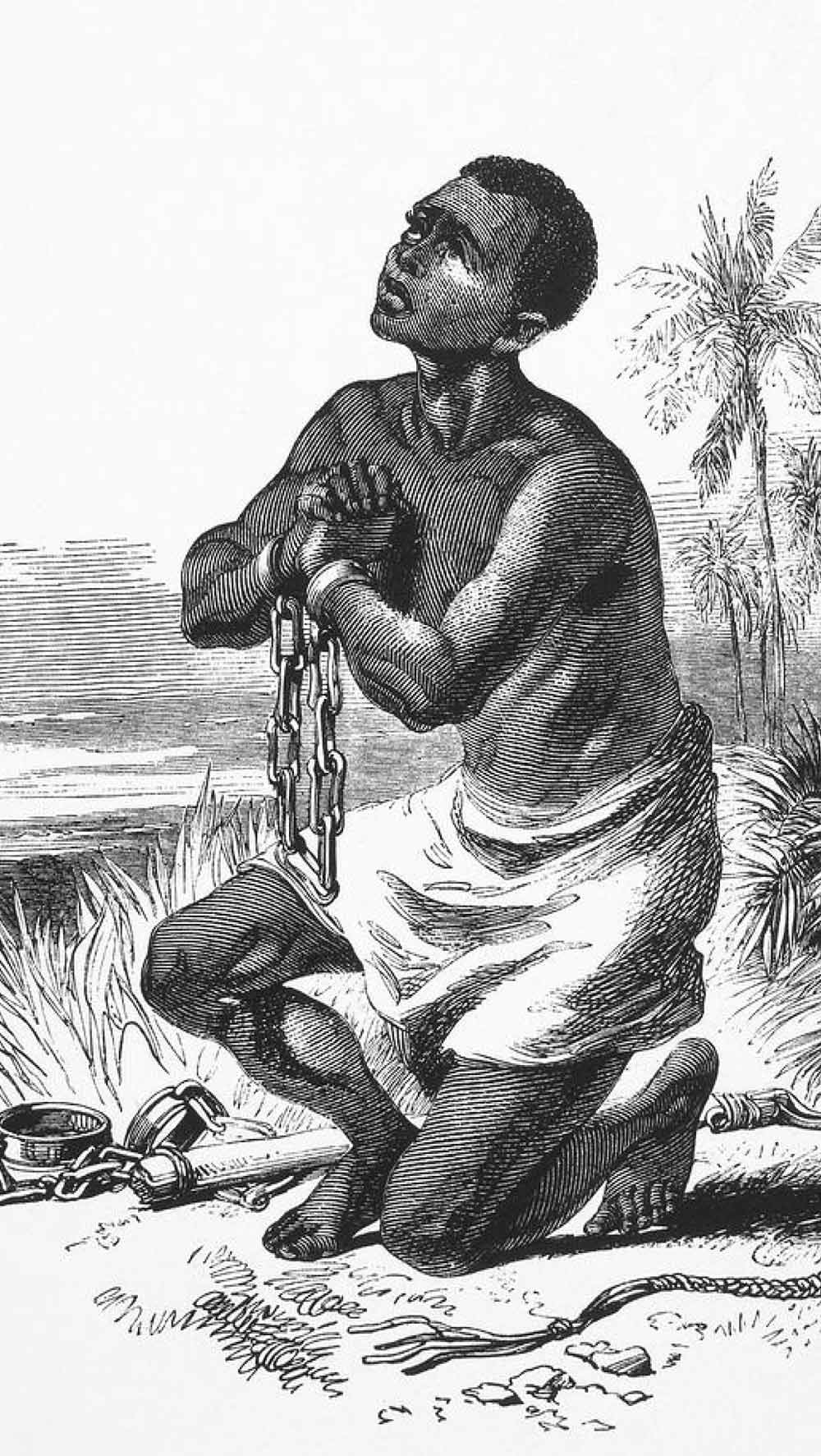

“The real names of our people were destroyed during slavery.”
– Malcolm X
James Somerset: Of course, that wasn’t his real name. He was born around 1741 in West Africa, and that was his home until 1749. That’s when, in the words of Bob Marley: He was stolen from Africa/Brought to America/Fighting on arrival/Fighting for survival.
His West African name was whited out when someone, perhaps a slavetrader who transported him across the Atlantic, decided to call him Somerset. For the next 20 years Somerset was enslaved to Charles Stewart as his personal assistant in colonial America. Most of that time was in Norfolk County, Virginia, until Stewart became a customs officer responsible for enforcing the Stamp Act in port cities like Philadelphia, New York, and Boston.
“Whom the Son sets free is free indeed.” – Jesus
In 1769, Stewart took Somerset to England. Somerset was baptized two years later and that’s when he chose the name James. Baptism endowed you with new family members, called godparents, back in those days. James’ godparents were John Marlow, Thomas Walkin, and Elizabeth Cade – and all were abolitionists.
When James declared his independence later in 1771, Stewart ordered slavecatchers to sell and ship him to Jamaica. Selling disobedient slaves to Caribbean plantations was a common punishment during colonial America. After the United States gained independence, the same principle played out. To be “sold down the river” meant being sent from a Northern or middle state and disappeared into the deep South.
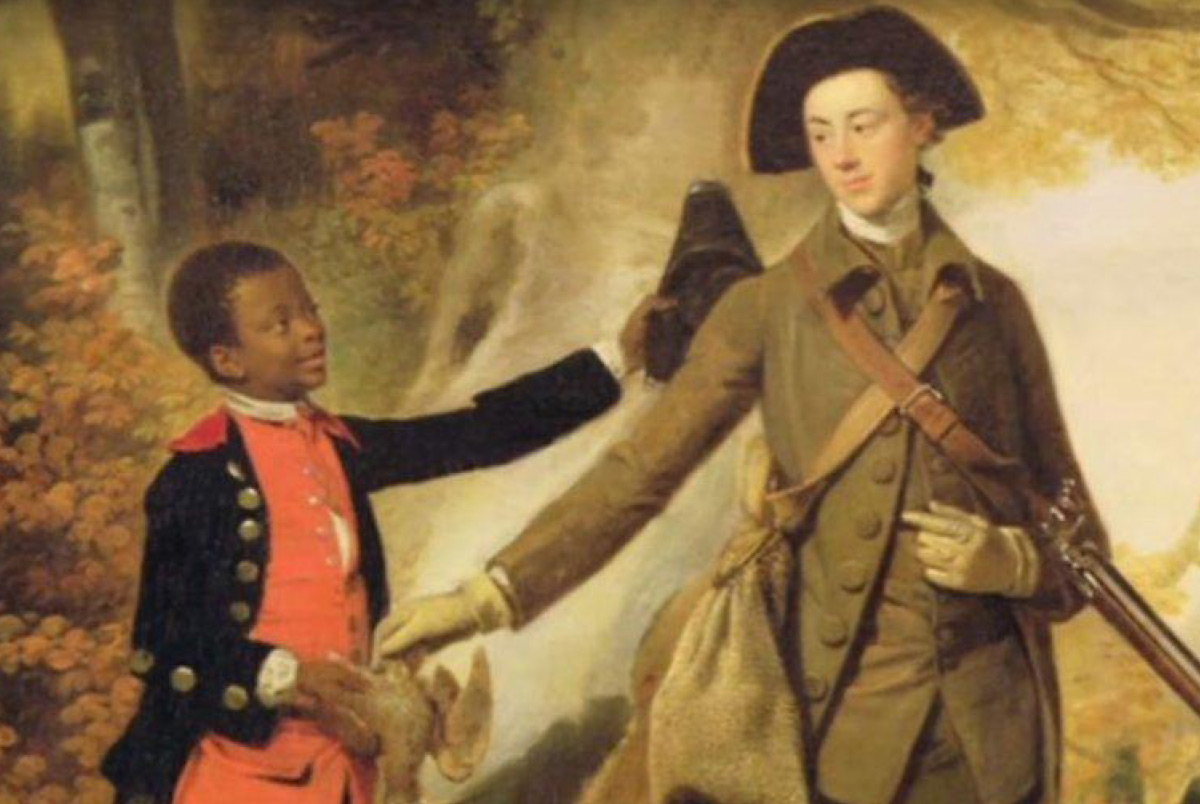
However, James’ godparents enlisted the help of abolitionist lawyer, Granville Sharpe. Habeas corpus is a legal order dating back to the Magna Carta in 1215 and Sharpe used it to ensure James had his day in court – and then some. Somerset v. Stewart became a series of hearings from January to June 1772. Finally Judge William Murray, aka Lord Mansfield, ruled that “the black must be discharged.”
Newspapers in eight out of 13 colonies spilled a lot of ink covering the monumental case with nearly 60 separate reports and over 20,000 words. Why? All 13 colonies had legalized slavery when they penned the Declaration of Independence in 1776. The liberation of a black man by England’s high court angered American enslavers as much as the Stamp Act. Emancipation was too revolutionary for the founding fathers. Their philosophy was “freedom for me but not for thee.”