

This environment led to disparities in homeownership that affect Blacks, Asians, and Hispanics to this day. Fortunately, the Covenant Homeownership Act was enacted in 2023 to help people who have been impacted by racist practices of the past.
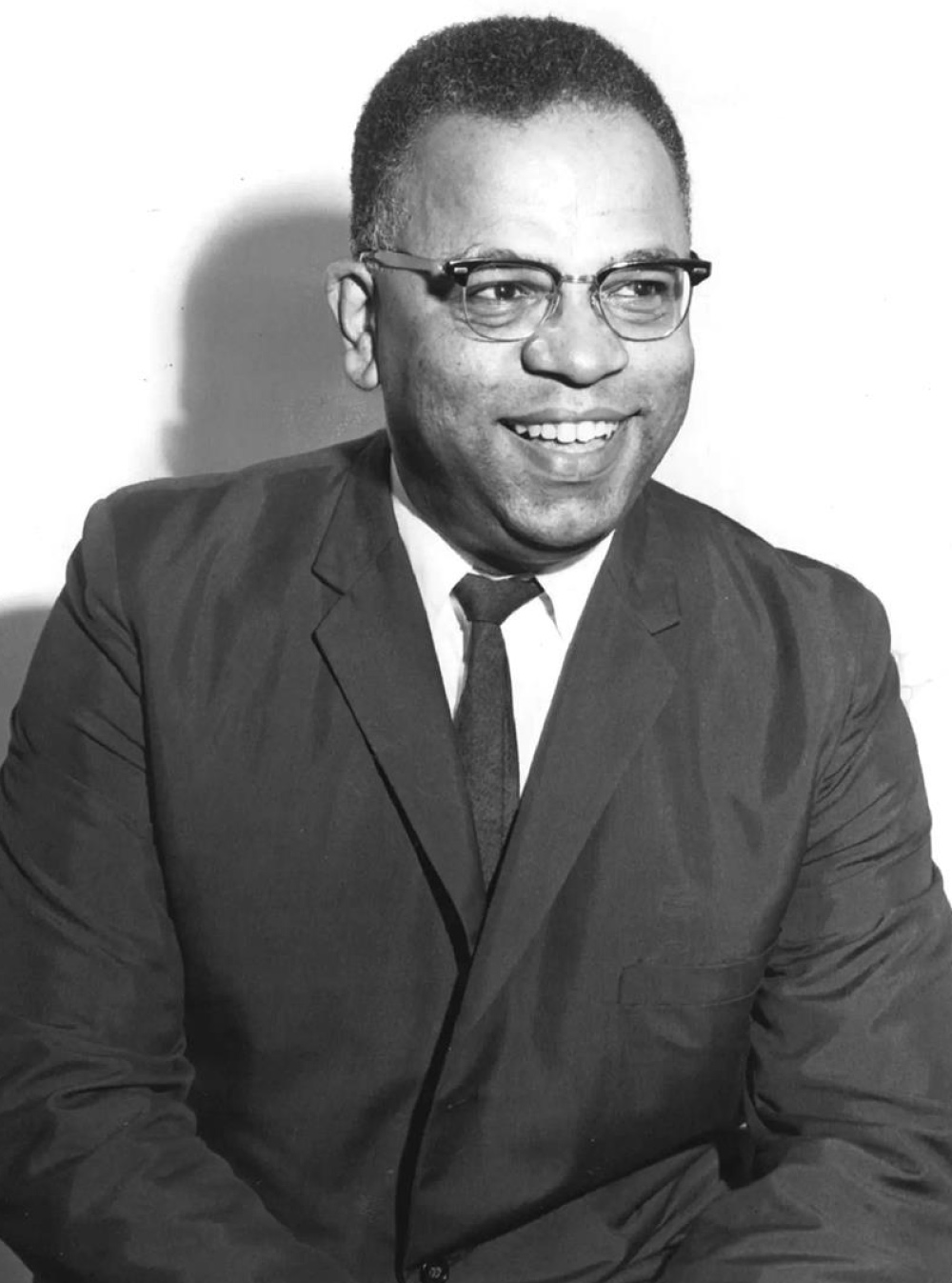
McAdoo minimized ornamentation. This revealed the geometric shapes and clean lines formed by the structural materials, like steel, concrete, and stones. These looks were integrated with the natural landscapes of their surroundings to make them scenic from inside and out. Likewise, in his role as an activist, McAdoo stripped away facades from racist structures, opened up more space, and shone the light of truth to attract more people inside.
Homes designed by McAdoo were featured in the “Home of the Month” section of The Seattle Times in 1955-56. His excellence in small scale projects brought larger commercial and government projects to him throughout his career. On more than one occasion, he used his access and leverage to purchase property for black people who were excluded from doing so themselves.
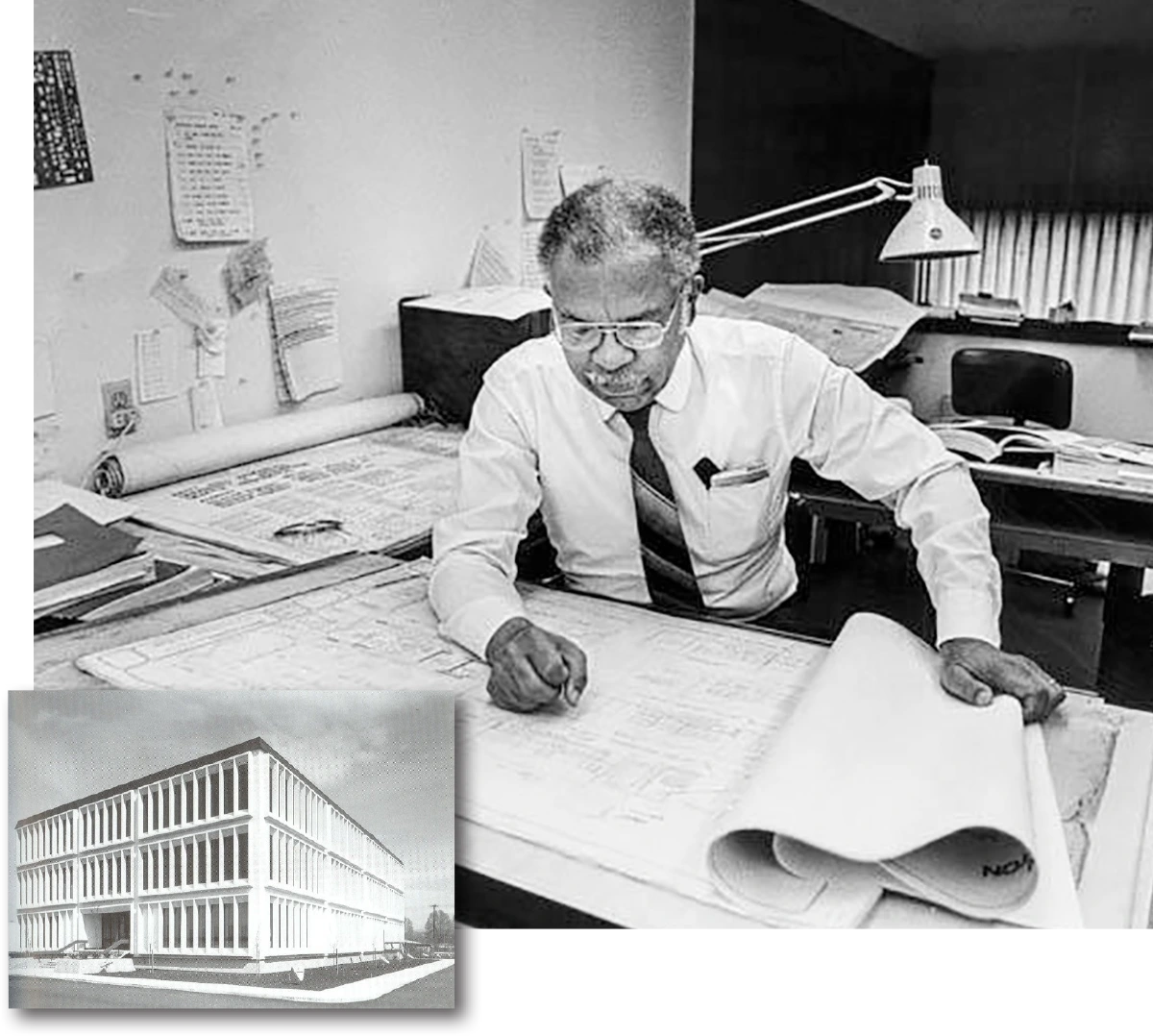
His passion for affordable housing led to him moving his family to Jamaica in 1961-62, where he worked with USAID to design modular housing that could be sourced from materials within Jamaica, and largely assembled by unskilled laborers. Then McAdoo moved to Washington, DC, to help establish the Latin American Division of USAID, and work on the design team for the Kennedy Center for the Performing Arts.
In 1964, McAdoo resumed his private practice in the Seattle area, and also became president for the Seattle chapter of the NAACP until 1969. During that time, he also had a weekly radio show that addressed societal issues, including housing affordability and discrimination. Although Benjamin McAdoo died in 1981, architects and activists alike are keeping his legacy alive through the University of Washington’s Benjamin McAdoo Research Collective that started in 2021.