

editorial

 ll of life is relationships. We were created in the image of a relational God and wired for loving relationships by a God who exists in relationships. Loving relationships were designed to be vehicles for the transmission of emotionally healthy connections and attachments, which were to facilitate the passing of one’s legacy of love and faith from one generation to the next.
However, one of many dire consequences of our Edenic parents’ choice to distrust God, was a rupture in the quality of our human relationships. From Genesis to Revelation, Scriptures are full of stories recounting broken and challenging relationships. We can see, especially throughout the plan of redemption, that the Father’s willing Son chooses to take on the human flesh experience to showcase the Father’s relational love and grace toward His broken-by-sin children. God’s healing-saving love is the epicenter of the Good News Gospel!
Christ quoted Isaiah’s prophetic words in His first public sermon: “The Spirit of the Lord God is upon Me, because the Lord has anointed Me to preach good tidings to the poor; He has sent Me to heal the brokenhearted, to proclaim liberty to the captives, and the opening of the prison to those who are bound. . . To comfort all who mourn. . .to give them beauty for ashes, the oil of joy for mourning, the garment of praise for the spirit of heaviness; that they may be called trees of righteousness, the planting of the Lord, that He may be glorified” (Isaiah 61:1-3, NKJV, emphasis supplied).
To further illuminate the priorities of His salvific mission to the religious establishment of the day, Jesus’ response to the inquiring lawyer regarding which commandment in the Law was the greatest, censured the generationally ingrained, distorted religious perceptions and practices of the day. Jesus had the audacity to condense all of the Law and the prophets into the practice of loving relationships. He declared that loving God with all of our heart, soul, and mind, and loving our neighbor as we love ourselves, was the summary of all of the Law and the Prophets (Matthew 22:34-40).
In The Spiritually Vibrant Home: The Power of Messy Prayers, Loud Tables, and Open Doors (2023), Don Everts, a senior pastor of a Presbyterian church on a large college campus, surveyed households looking for collective and frequent engagement.
Everts, along with the well-known research organization Barna Group; collaborated on the Households of Faith Study that included the development of a custom metric that sorted out in respondents three key behaviors: a) spiritual practices, b) spiritual conversations, and c) hospitality. These three household behaviors were defined for this study as follows: Spiritual practices were defined as praying every day or two and reading the Bible weekly all together. Spiritual conversations were defined as talking about God and faith at least weekly all together; and hospitality was defined as welcoming non-family guests regularly, or at least several times a month. Based on these metrics, four key categories were created to describe practicing Christian households: Vibrant (25%), Devotional (33%), Hospitable (14%), and Dormant (28%).
Vibrant households reported the following highly relational practices that were correlated to faith formation. They:
- enjoyed meaningful, fun quality time with both their housemates and extended household members (which often include children).
- referred to their household atmosphere as “playful.”
- gathered together every day or two for games, singing, reading books, or playing sports together.
- shared breakfast and dinner as well as their feelings almost on a daily basis (60%).
- worked on household or yard chores together (34%).
- hosted household or family meetings (68%).
“One of the most surprising and encouraging findings from this study,” says Brooke Hempell, Barna’s senior vice president of research, “is that any sort of interaction—including just having fun—is correlated to faith formation.”
Thirty years ago, Dr. John Townsend, psychologist and prolific New York Times best-selling author of Hiding From Love, wrote: “Just as connectedness is our most basic need, isolation is our most injurious state.” Last year, the U.S. Surgeon General, Dr. Vivek Murthy, issued a report that drew attention to the loneliness epidemic that affects one of two American adults. Half of us are lonely. Not just those who live alone. This staggering number includes those living in the midst of others.
When we join Christ—the consummate Relationship-Maker—in His mission to redeem His hurting children, we will also prioritize loving God and others as ourselves. We will commit to being intentional about displaying His healing love, grace, compassion and mercy in all of our relationships—inside and outside the boundaries of our households—as the ultimate antidote for the hurting people in our hurting world. Let us pray together, “That He would grant you, according to the riches of His glory, to be strengthened with might through His Spirt in the inner man, that Christ may dwell in your hearts through faith; that you being rooted and grounded in love, may be able to. . . know the love of Christ which passes knowledge; that you may be filled with all the fullness of God” (Ephesians 3:16-19, NKJV).
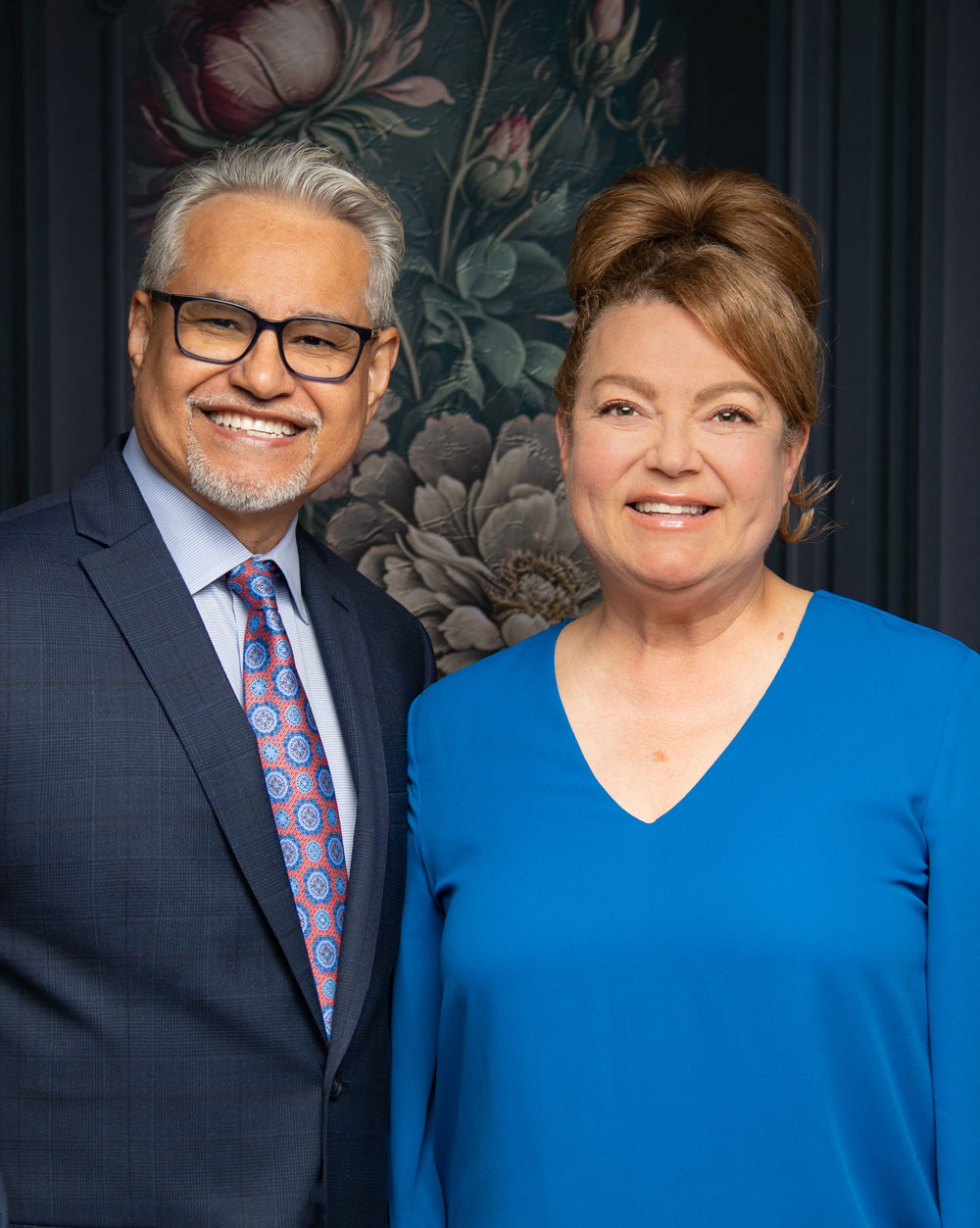
Carolann De Leon, M.S.MFT, MAPM, RN, is a registered nurse, and a marriage and family therapists. Currently the De Leons serve as the Family Ministries directors for the Adventist church in North America. They both enjoy serving and empowering individuals, marriages and families in displaying Christ in their relationships.