



“Indeed I tremble for my country when I reflect that God is just: that his justice cannot sleep for ever: that considering numbers, nature and natural means only, a revolution of the wheel of fortune, an exchange of situation, is among possible events: that it may become probable by supernatural interference! The Almighty has no attribute which can take a side with us in such a contest.”
Jefferson’s words are prophetic. It seems improbable that there will be no consequences for the many wrongs committed against African Americans during the long tragic history of slavery and racism. I cannot understand how right-thinking Americans cannot sit down at the table of brotherhood and intellectually discuss racial issues. Is race so painful, that we can’t even talk about addressing the sins of the past?
“We claim to be a Christian country and a highly civilized Nation, yet I fearlessly affirm that there is nothing in the history of savages to surpass the blood-chilling horrors and fiendish excesses perpetrated against the colored people by the so-called enlightened and Christian people of the South.”
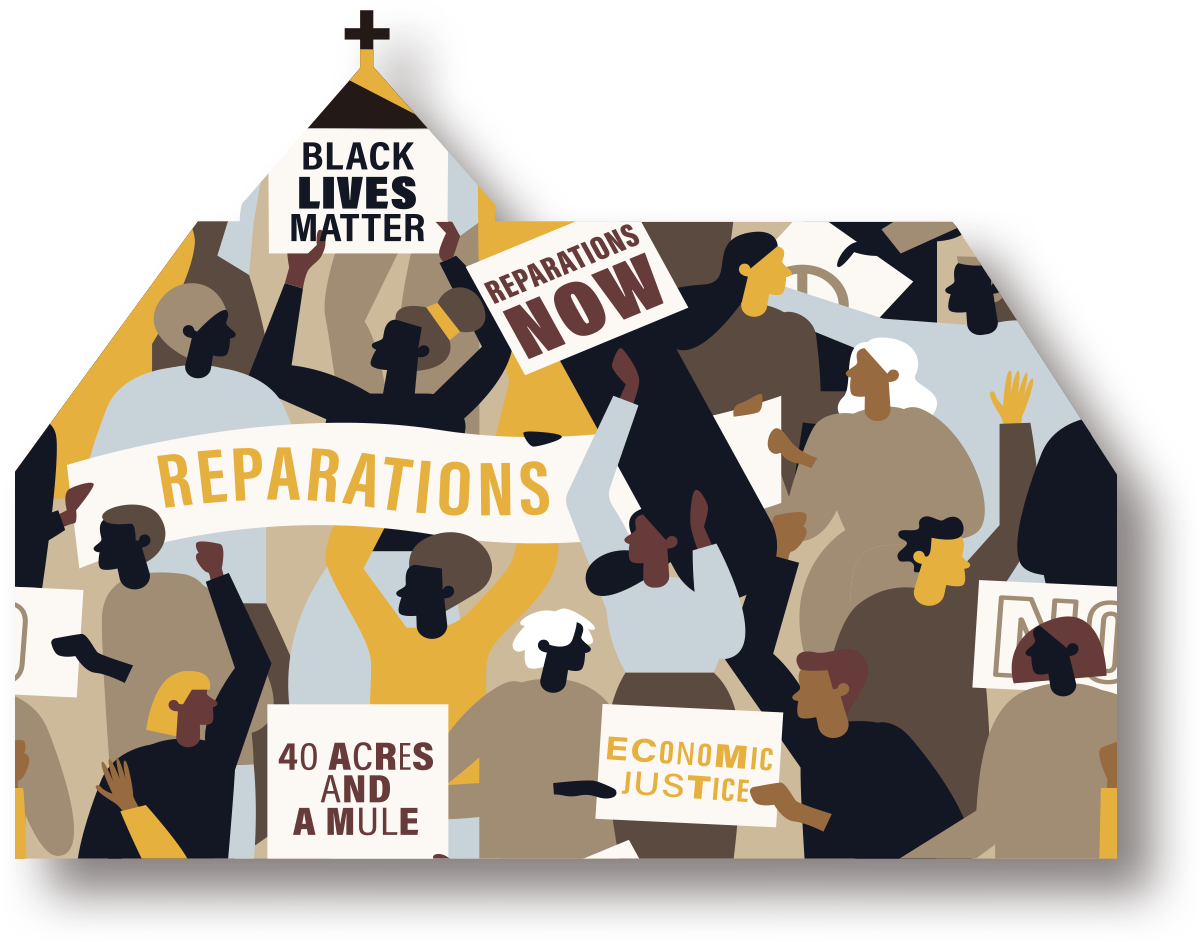
The responsibility for the past must be shared equally by those who committed the atrocities and those who have refused to address them. Reparations are a morally defensible way of addressing past wrongs. God endorsed it when He took the Children of Israel out of Egypt (see Exodus 12:30-38.)

When Ford Motor Company was forced to pay punitive damages over it’s exploding gas tanks, the jury sought to make the company more careful and deter others from acting so carelessly.
Financial payments force people to think twice before they tolerate injustice. They are a form of reimbursement for poor treatment and inadequate service. It sets a precedent that if injustice occurs, we promise to punish it. If the United States government was forced to pay a massive settlement to African Americans for the racism of the past and present, Americans would hold our leaders responsible when they ignore racism in the future.

The U.S. government paid Japanese victims of World War II internment camps $1.5 billion. The victims of the 911 terrorist attack were paid $1.8 billion in compensation as our way of saying, “We failed you!”
Florida’s state legislators voted $155,000 to the survivors of the Rosewood massacre, as their way of saying, “We neglected to protect you!”
Why can’t the wealthiest, most powerful nation in the world swallow it’s pride and do the right thing for African Americans, especially when we force other countries to pay their victims?


If those numbers frighten you, let me make another suggestion. Since African Americans paid taxes to a government which did not protect or serve them for decades, the government could refund or reimburse us for the taxes we paid. Now I know that people don’t like reparations so let’s call this a reimbursement of the taxes our forefathers paid. State and local governments could follow suit. They would all be apologizing and making amends for past wrongs.
One way of accounting, and reckoning, would be through taxes, even if you only count the 1930-1965 period when federal income taxes applied to the general populace. A tax-free decade could make up for government’s inaction on civil rights and be a painful lesson to our leaders about neglecting its citizens.
African Americans could then use this money to fix some of the problems created by governmental neglect. We could rebuild our families, improve our schools, expand our economic base, or build up our communities destroyed by years of discriminatory governmental policies. Just imagine the racial healing that would occur if we could finally address the nation’s most prominent sin, racism.
Share with Someone Who Needs to Remember
In Matthew 5:23-24 Jesus says, “Therefore, if you bring your gift to the altar and there remember that your brother has something against you, leave your gift there before the altar and go on your way. First be reconciled to your brother, and then come and offer your gift” (NKJV).

If you are truly a follower of Jesus Christ, you would have to agree that reparations are not just right, they are just!
