

Bett, that was it. She washed, sewed and ironed their clothes; cultivated their crops and cooked their food. Yet this whole person’s identity was reduced to one syllable for half her life. (“Mum” was added when she got older.)
Bett and Lizzy. Two nicknames for Elizabeth given to one set of sisters born in Claverack, New York, on a forced-labor prison camp that Americans nostalgically call a plantation. Bett was born between 1742 and 1744. Lizzy was younger, with even less certainty about her birthday.
Hannah didn’t always prize daddy’s presents. She swung a hot shovel at Lizzy one day, but Bett intervened and got gashed instead. The scar from this laceration spurred Bett’s determination for liberation.
Article 1 stated that “All men are born free and equal, and have certain natural, essential, and unalienable rights; among which may be reckoned the right of enjoying and defending their lives and liberties” and “seeking and obtaining their safety and happiness.”
Bett and Brom won their freedom and a small payment of reparations. The case had multiple ripple effects. John Ashley settled a suit from his slave Zach Mullens, resulting in his freedom. Bett’s case also paved the way for Quok Walker’s freedom suit. Walker paved the way for the abolition of slavery in Massachusetts. The colony that was first to encode slavery became the first state to abolish it.
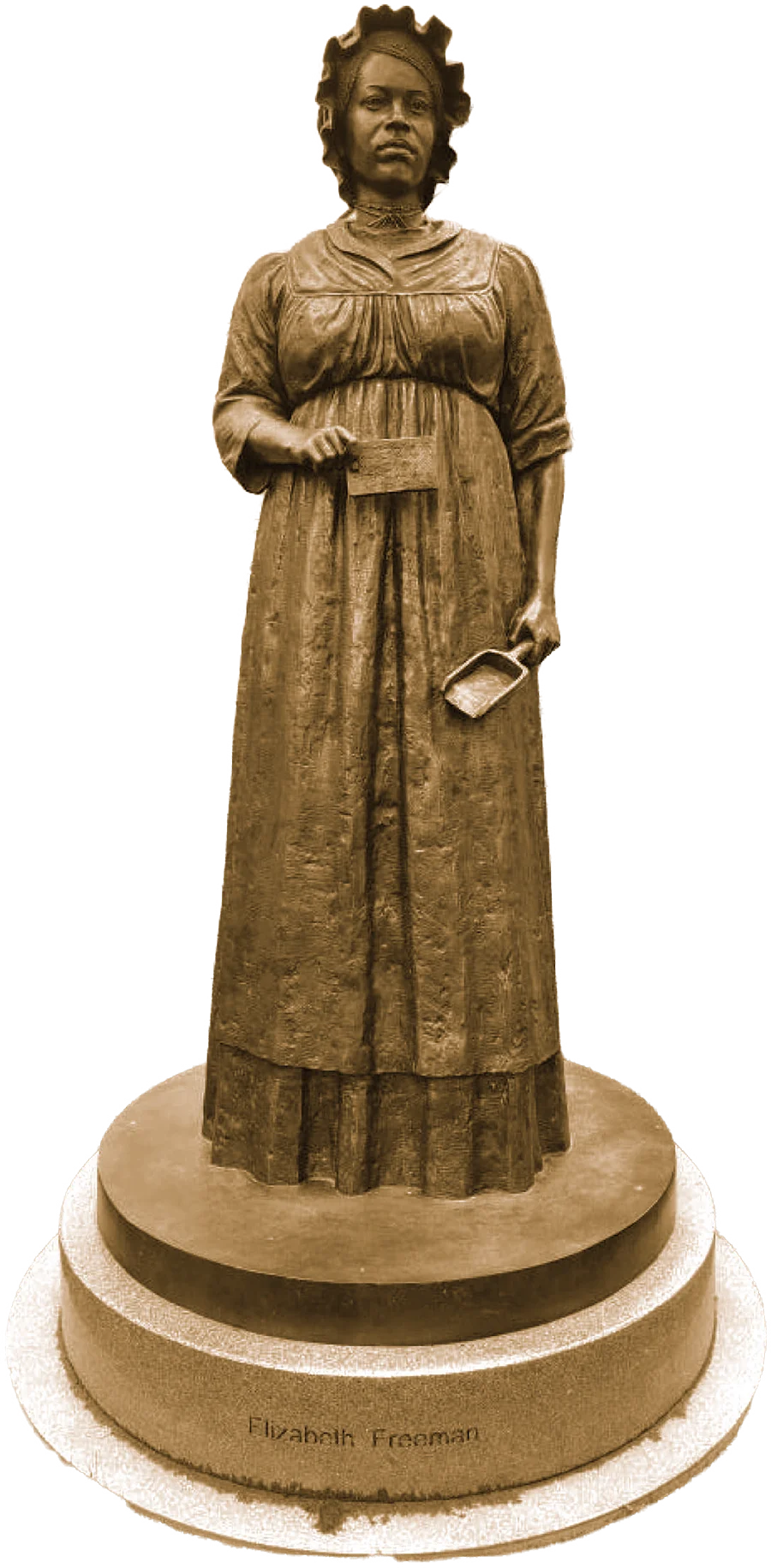
Most importantly, Bett used her freedom to give herself a full name – Elizabeth Freeman. Her minute of freedom lasted until she died on December 28, 1829.