



 n celebrating the annual National Day of Prayer (May 1), President Donald Trump established the Religious Liberty Commission through Executive Order 14291.
“It shall be the policy of the executive branch to vigorously enforce the historic and robust protections for religious liberty enshrined in Federal law. The Founders envisioned a Nation in which religious voices and views are integral to a vibrant public square and human flourishing and in which religious people and institutions are free to practice their faith without fear of discrimination or hostility from the Government.”
As a founding father and U.S. President in 1802, Thomas Jefferson reiterated in a letter to the Dansbury Baptist Association that the American “legislature should ‘make no law respecting an establishment of religion, or prohibiting the free exercise thereof,’ thus building a wall of separation between Church & State.”
In essence, the principle behind the separation of church and state was intended to prevent a merger of church and state and a bias for any religion.
- history of religious liberty in America,
- effect of religious liberty on the American public,
- current challenges to religious liberty in America,
- plan of action to protect and increase liberty of conscience protections for future generations, and
- “programs to increase awareness of and celebrate America’s peaceful religious pluralism.”
Despite the stated purpose and role of this Commission, everyone does not agree with its premise.
“This order accelerates the collapse of our democracy under an administration that coddles white supremacists, demonizes immigrants and dares to preach about faith while betraying its very essence,” said Bishop Dwayne Royster, executive director of Faith in Action.
“They have no moral authority and certainly no divine mandate to define what faith means. Religious freedom is not theirs to wield as a weapon of fear or domination. It is a sacred covenant extended to all of God’s children regardless of race, creed or country of origin. We must not stand idly by while the gospel of love is hijacked and perverted into a tool of hate and division.”

“In recent years, some federal, state and local policies have threatened America’s unique and beautiful tradition of religious liberty. These policies attempt to infringe upon longstanding conscience protections, prevent parents from sending their children to religious schools, threaten loss of funding or denial of nonprofit tax status for faith-based entities, and single out religious groups and institutions for exclusion from governmental programs.”
In considering the members of the Commission, none of them appear to identify as atheist or anti-Trump supporters. You could argue that they all align with the Christian right, sentiment of Christian Nationalism, and unwavering advocacy and support of Israel as a favored nation founded by God over Palestine.
The Religious Liberty Commission seems poised to delineate a contemporary interpretation, not a historical foundation, regarding the separation of church and state. At the signing ceremony for the Executive Order to create the Commission, President Trump stated, “Separation? Is that a good thing or a bad thing? I’m not sure…We’re bringing religion back to our country. It’s a big deal.”
In about a year, the American public will debate whether the Commission’s report aligns with the founding fathers of our nation or the Commission’s brand.
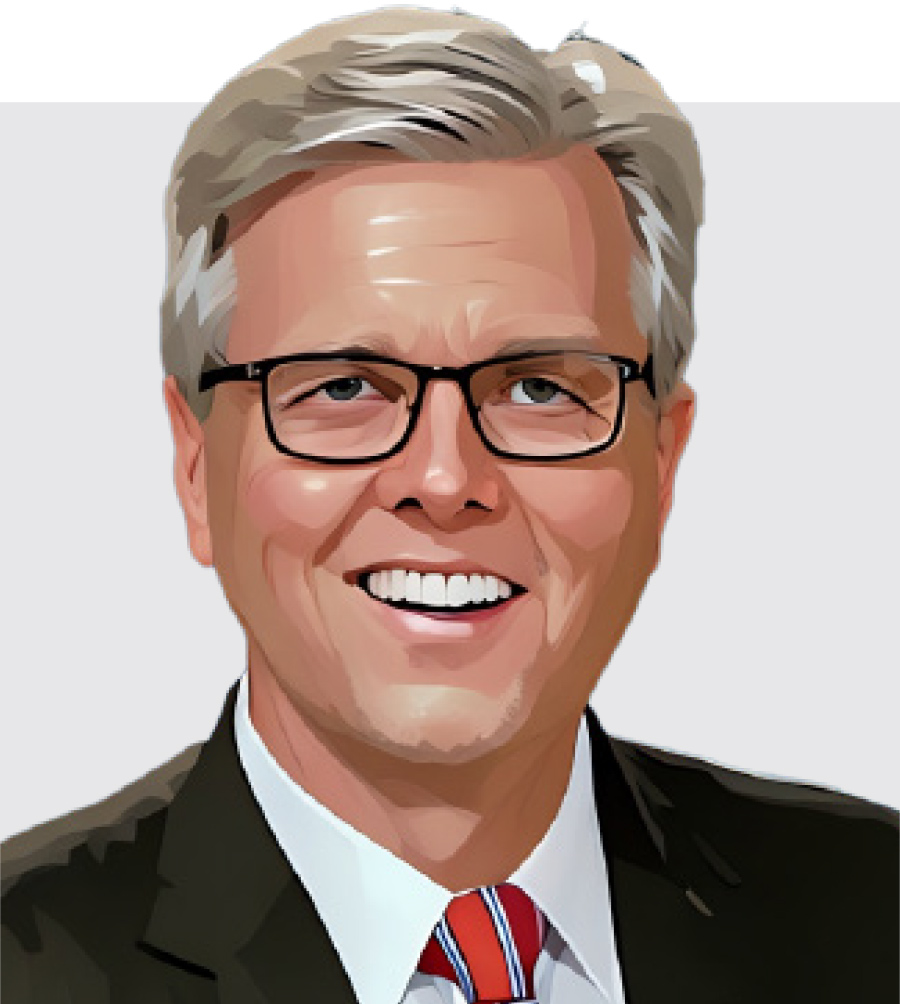
Chairman
Lt. Governor of Texas
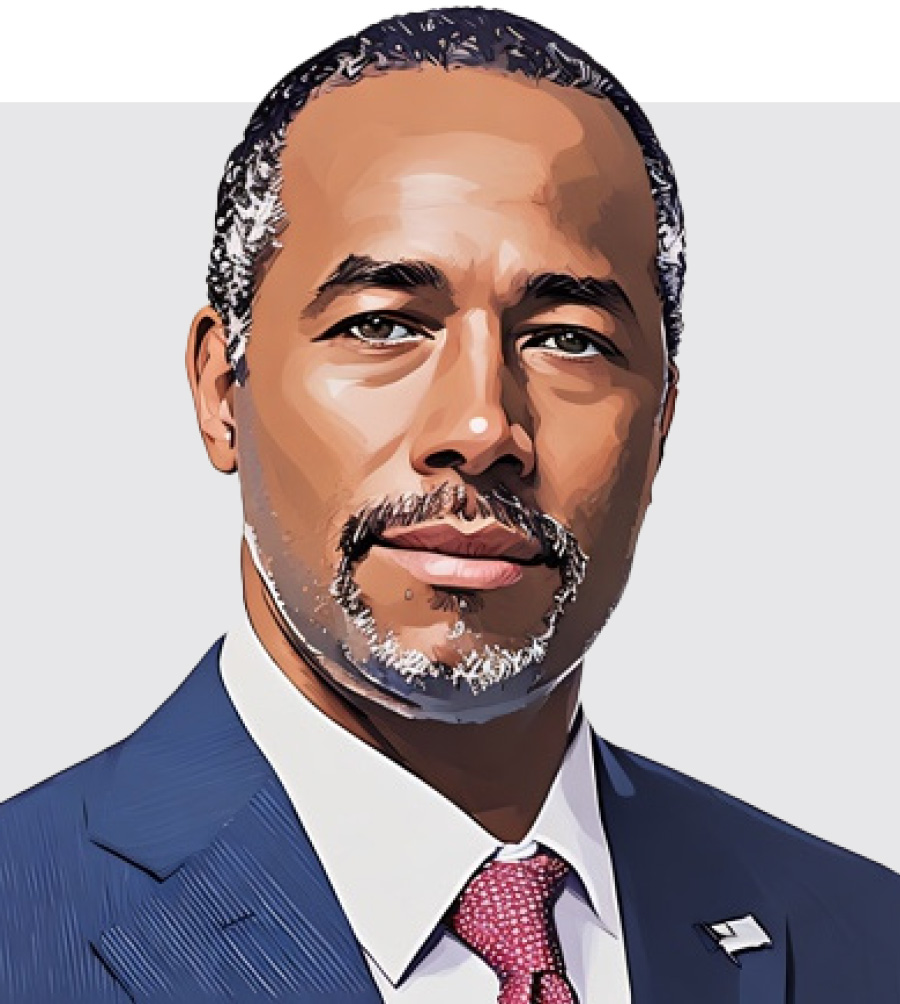
Vice Chair
Former Sec. of Housing and Urban Dev.
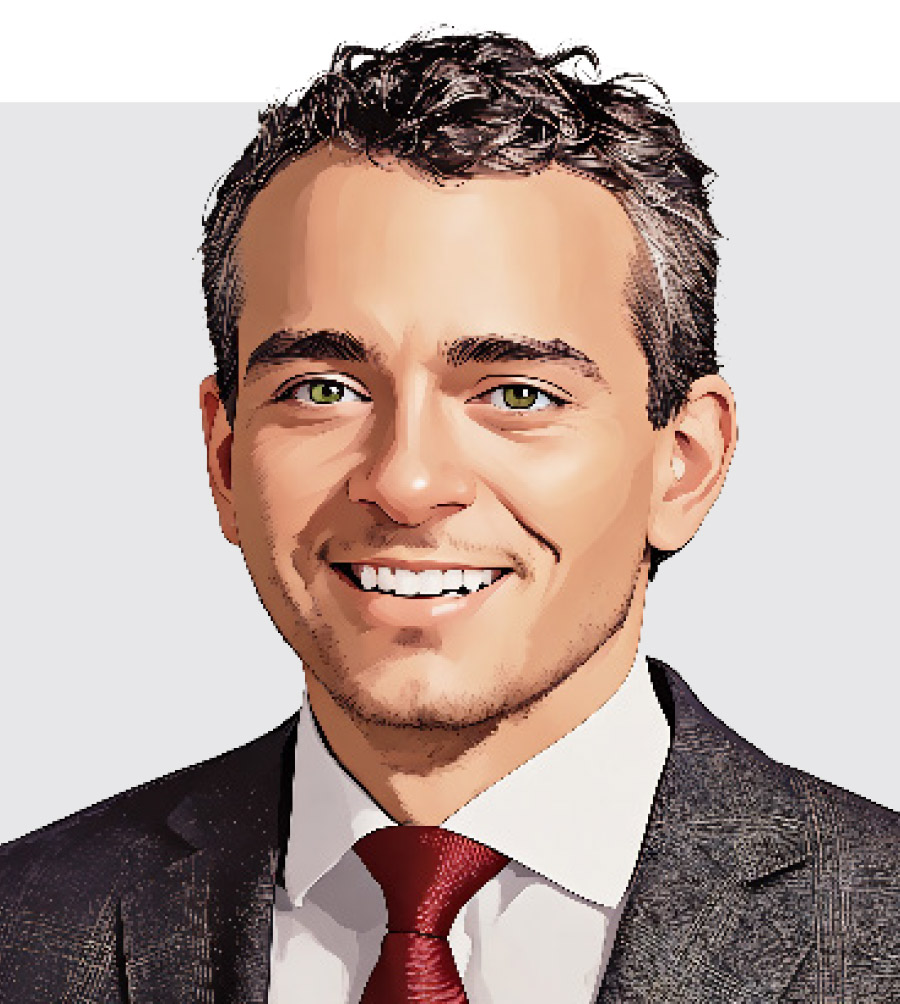
President of the Ethics and
Public Policy Center
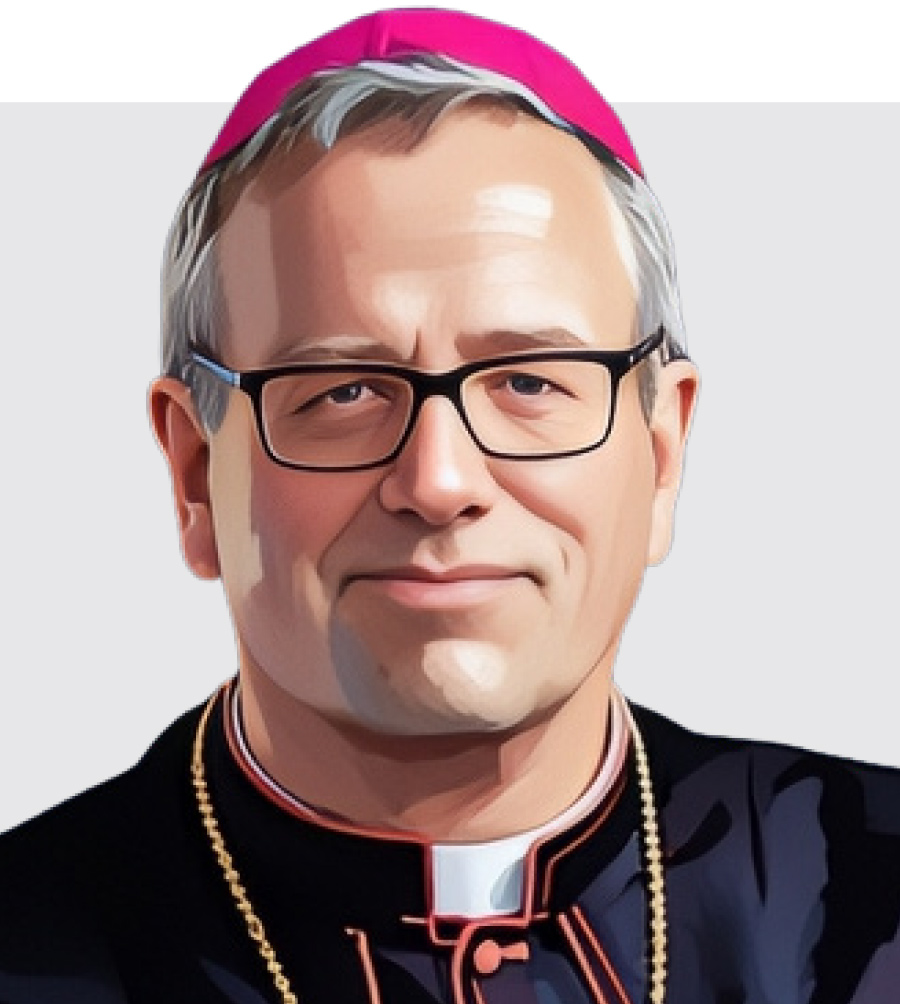
Catholic bishop of the Diocese
of Winona-Rochester in Min.

Former Miss
California USA
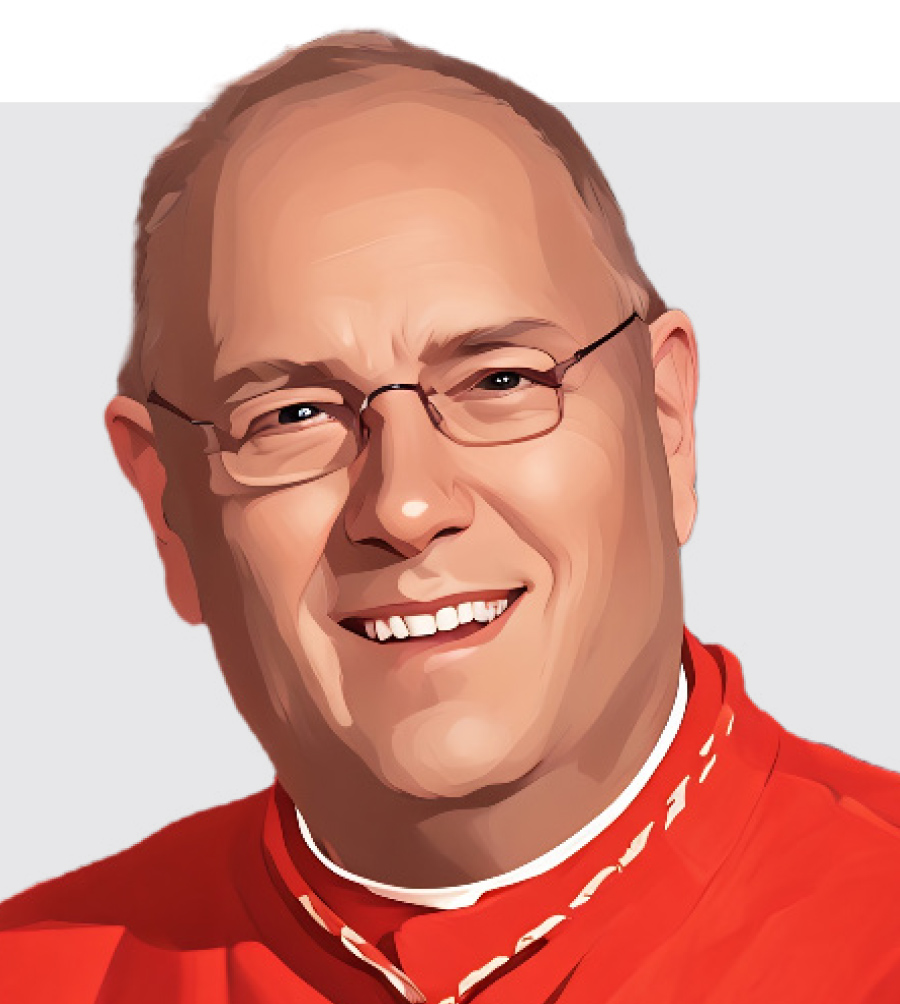
Roman Catholic Cardinal and
Archbishop of the Diocese of NY

President and CEO of the
Billy Graham Evangelistic Assoc.
and of Samaritan’s Purse
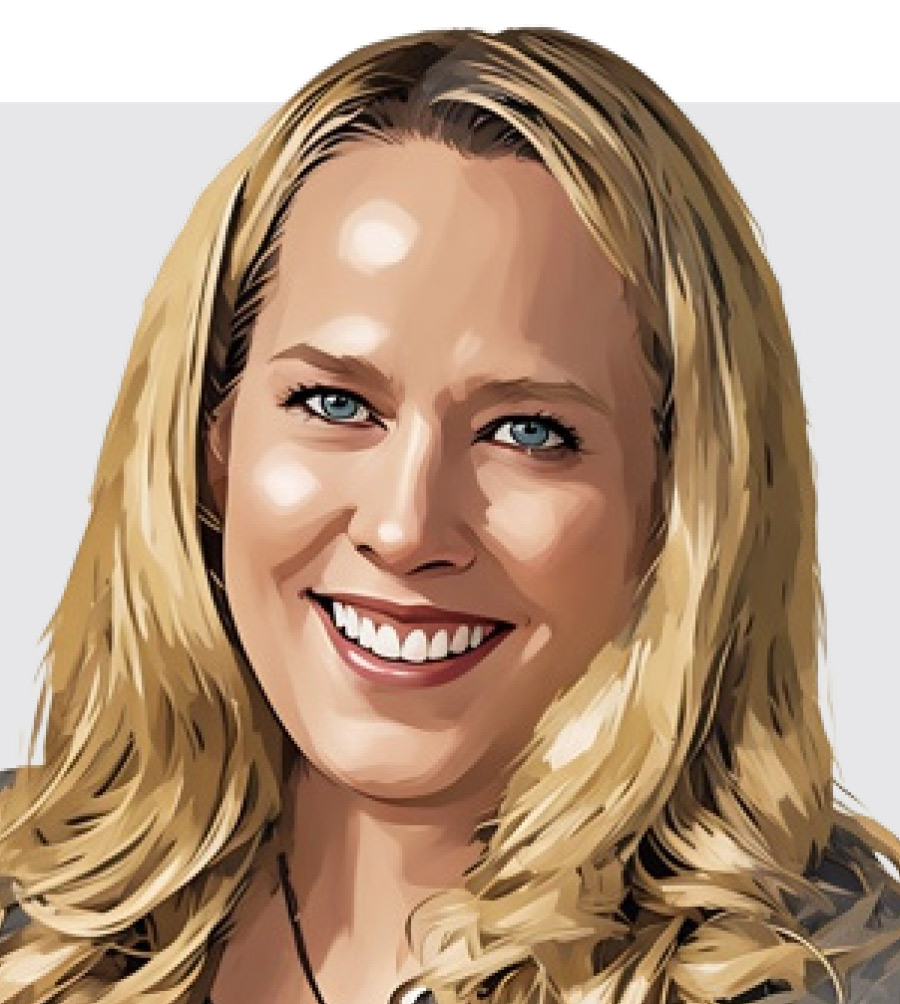
Partner at the law firm
Gibson, Dunn and Crutcher
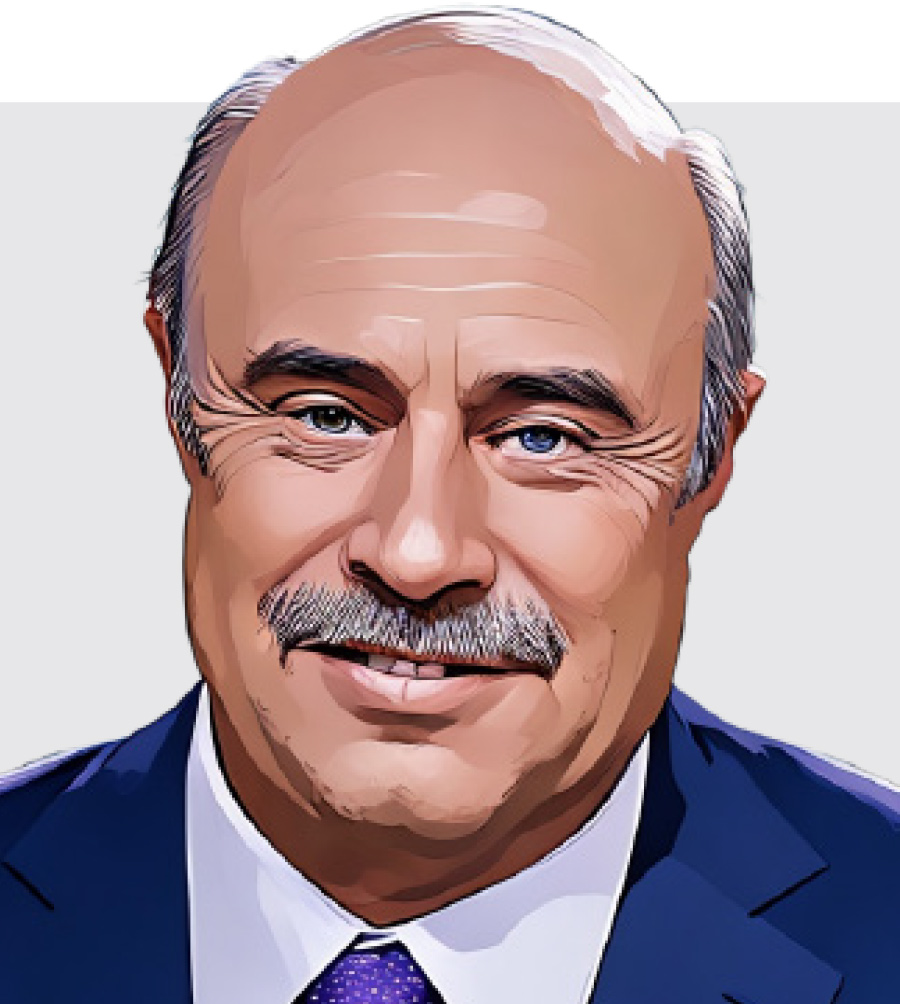
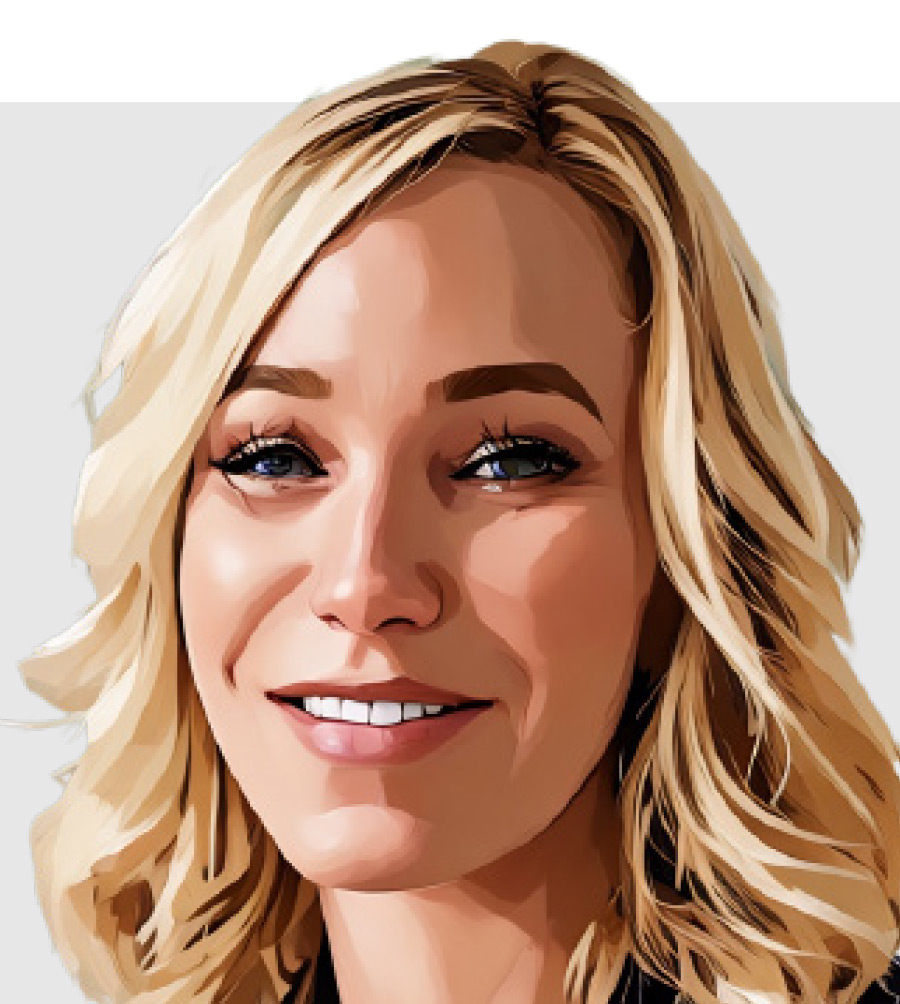
TV therapist
and Author

Popular Purveyor of
Christian Nationalism
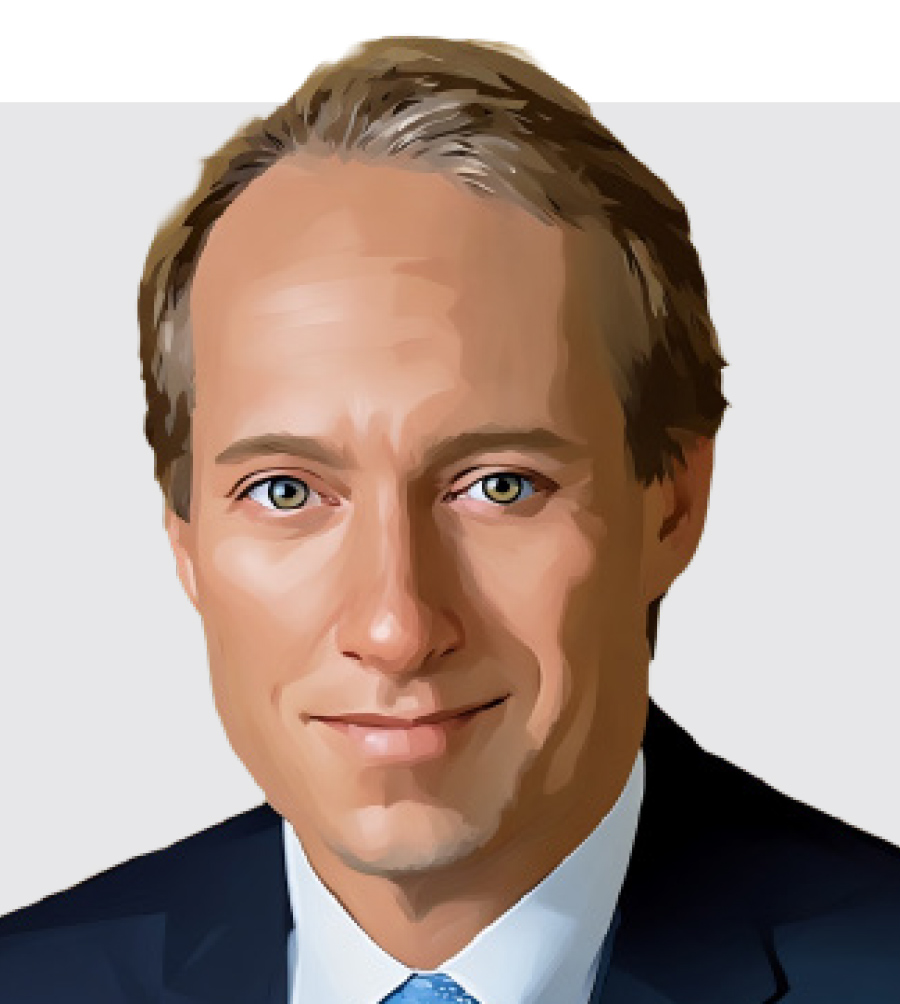
President
of First Liberty Institute

Rabbi of Congregation
Shearith Israel
Pentecostal Televangelist
who Heads the
White House Faith Office
Popular Purveyor of
Christian Nationalism
President
of First Liberty Institute
Rabbi of Congregation
Shearith Israel
Pentecostal Televangelist
who Heads the
White House Faith Office