




“And all that believed were together, and had all things common; And sold their possessions and goods, and parted them to all men, as every man had need” (Acts 2:44-45, KJV).
In those days, the group of about 120 men and women, empowered by three years of following Jesus from Nazareth, radically broke all social hierarchies, customs and laws to live untraditionally in a highly traditional egalitarian community. They radically believed Jesus to be the Messiah. They had witnessed His compassionate teaching, His miraculous healing powers, and His selfless love for all humanity.
To develop such a strong sense of responsibility and accountability for one another, there had to be more than food and friendship drawing these followers together. This movement turned the world upside down.
In recent years, social justice programs such as financial literacy workshops, community gardens, and cultural preservation like celebrating Kwanzaa and Juneteenth still promote the co-op lifestyle. Yes, there is much more to community than that, and the church still presents a powerful witness of cooperative life, collective work, and the building of community, especially in the black experience.
Remember the early church’s approach: “All the believers were together and had everything in common. They sold property and possessions to give to anyone who had need” (Acts 44-45).
Kwanzaa’s Umoja (unity), Kujichagulia (self-determination), Ujima (collective work and responsibility), Ujamaa (cooperative economics), Nia (purpose), Kuumba (creativity), and Imani (faith), emphasizes everything the first church experienced. The third and fourth principles, Ujima (collective work and responsibility), Ujamaa (cooperative economics), were the core values they applied as their personal lives became less important and the community — the kingdom of God — became the priority. As their lives appeared to be disrupted, their faith increased to the point of risking everything to follow Jesus.
One might reflect, react and respond to the current recession, discrimination and haunting reminder of the devices to destroy economic freedoms for black people. So, how did black people respond to the opposition then and what can we apply now to achieve positive outcomes in a negative environment? What are the principles and practices we can act upon now to get us through the rest of this decade and the next? How can culture and spiritual beliefs help maintain identity as people of the diaspora (African heritage) while building community, cooperative economics, and collective work and responsibility?
First, start at home. Joshua told the children of Israel:
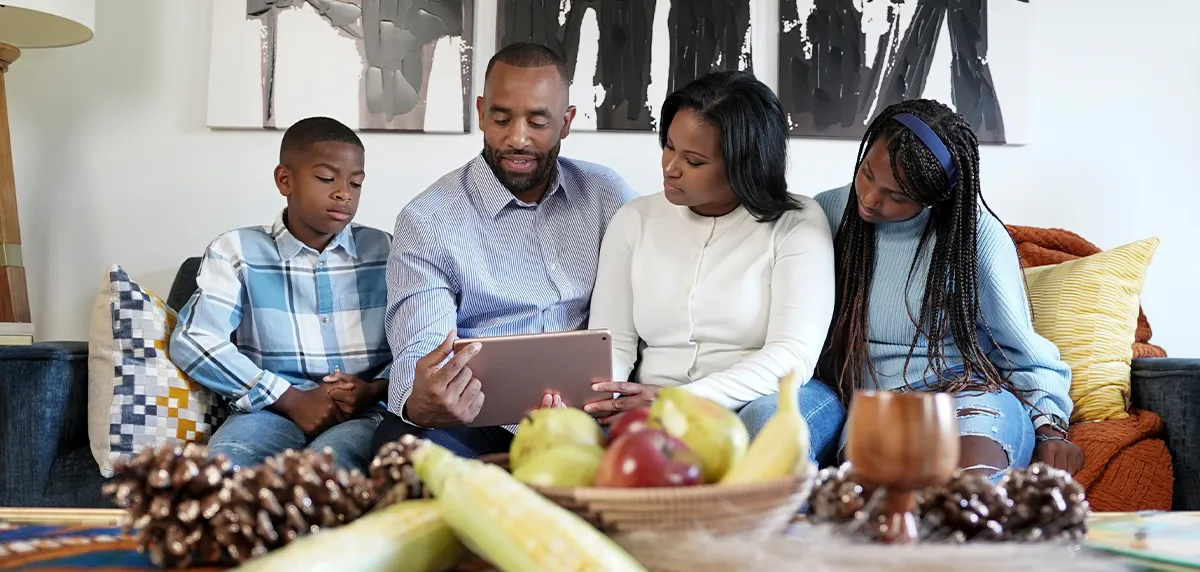
“But as for me and my house, we will serve the Lord” (Joshua 24:15). If you are single or partnering or married with children, pick a time and place to spend quality time, understanding and writing down the core values you hold and who they represent. Make a unified decision on how you will live out that belief as a family. Make it non-negotiable as a unit. As the adult in the family, set the example to live it out. Children live what they learn. Be mindful of how you practice your belief and faith in the presence of your offspring. The challenge for parents today is undoing the hands-off parenting that has blurred the lines.
Next, demonstrate unity, and collective work and responsibility.
“Let the children come to me and do not hinder them for the kingdom of heaven belongs to such as these” (Matthew 19:14). Jesus knew the importance of children being trained at a young age. He was. The Bible said He grew in wisdom and stature with God and man” (Luke 2:52). Children can be taught to help around the house as early as the toddler years. Putting toys back in their storage bin, clothes in the laundry basket, shoes in the closet, dishes in the dishwasher are first steps toward independence as well as family unity. Small children love every opportunity to get a high-five, applause or “good job” affirmations. Responsible children become responsible adults. Never mind what the latchkey generation had to say about their Baby Boomer parents. Believe it or not, the latter group had a great sense of collective work and responsibility was a necessity (and still is) as mothers worked outside the home.
Emphasize sibling and extended family (neighbors) support systems to manage childcare and household responsibilities.
The “Auntie” and “Uncle” nicknames weren’t casual terms. They were given to significant individuals who earned the cherished duties of loving and caring for the village tribe. The term “godparent” was later adopted but never replaced auntie and uncle roles. Communities of color understood that everyone didn’t have a black child’s best interest in mind. The importance of such wisdom is invaluable in today’s environment.
When it comes to cooperative economics, wealth building and giving cannot be overstated. Jesus told the parable of a rich young ruler who fancied his wealth over serving and helping others. Where did that get him! Jesus didn’t throw him under the bus, but it probably felt like it.
“But when the young man heard that saying, he went away sorrowful: for he had great possessions” (Matthew 19:22, emphasis supplied). Right now may not be the time to sell everything and go follow Jesus. However, when, not if, that time comes, purpose in your heart to do all that is required of you. Do you really need a bigger barn? There are two principles of giving in the Bible that seem like polar opposites.
In Malachi 3, God rebukes His people for not returning a tenth of all that they received from His blessings throughout the year. Imagine having to bring cattle, fruits, vegetables, herbs, grains, seeds, bedding, furniture, clothing, jewelry, whatever you acquired through the barter/consumer trade system of your community, once a year on your journey to Jerusalem. Depending on the age of the children, it would be a family hiatus.
Thank God for current currency. Because it seems the people grew tired of the pilgrimage and were not sending it along with Cousin Jonah. Tithing predates government taxes; but it did a better job of caring for God’s people. You didn’t have to wait for tax season to get a refund; God opened heaven’s windows and poured out blessings that the people didn’t have room to store, so much so, that giving was sewn into the fabric of the culture.
“Give, and it shall be given unto you; good measure, pressed down, and shaken together, and running over, shall men give into your bosom. For with the same measure that ye mete withal it shall be measured to you again” (KJV).
Ujima Ujamaa isn’t hocus pocus or rocket science. It is the law of nature, what goes around comes back around.
Remember the story of Fannie Lou Hamer from rural Mississippi? During the 1960s Hamer fought for voting rights in the most racist state in the Union. However, she also realized that voting rights didn’t put food in the mouths of hungry children. Hamer raised money from philanthropic donations and started a co-op community garden which became known as the Freedom Farm Cooperative (FFC). The FFC grew vegetables, cotton and soybeans. They also secured livestock from a “pig bank” program. Hamer, practicing Acts 2 and Ugamaa, incorporated her faith into practical support for the community she loved and served.
- Assess friends, family, and neighbors for financial literacy. Host a small group class on growing wealth or debt reduction. Set goals for the new year using available programs that are group oriented. Example, Every Dollar, Operation HOPE, Bridge Builders Foundation (BBF), and BlackFem. [Google it].
- Start a healthy hot meal for seniors in the apartment complex or cul de sac. Keep the sodium, oils, and refined sugar minimal to be sensitive to health concerns. If a small charge is necessary, they won’t mind paying it.
- Organizations or businesses can plan a break for young mothers; they don’t have to be single. Every mother of young children needs a break! Her own playdate. Some young mothers may feel too overwhelmed and a sense of guilt to admit they need a break. Call it, “Kids Night Out!” Games, crafts, and pizza go a long way with kids.
- Organize a community “Vehicle Oil Change” for single parents. Collaborate with a local oil change station. Ask vendors for discounts; oil changes range between $60-$89. Get donations from your friends and others and post on social media with a sign up. Eventbrite.com is free to post and has a countdown for limited ticket sales (although free, single parents need a ticket for the free oil change).
- Rehab centers and nursing homes always welcome volunteers and donations. Contact a nearby rehab or nursing home to inquire how to be of service: repairs, refurbishing, reading to patients; the list goes on. Find connection possibly with a long-term patient and make a difference.
There are 1,000 ways to practice Ujima Ujamaa all year long. If “to whom much is given much is required,” here is a chance to level up and shine.